Application of technical means of customs control
Page navigation:
Inspection of goods and vehicles is a necessary procedure that helps prevent the transport into or export outside the country of prohibited, dangerous items, substances, weapons, ammunition, and precious metals. To ensure that the inspection of a vehicle by officers at the border does not take a lot of time, forming queues of many kilometers, high-tech devices have been developed to help customs officers. These are high-tech, automated or semi-automated devices that can speed up inspection time, eliminate the factor of human error, and increase the accuracy of inspections.
Table of contents:
- what is TSTK;
- types of equipment;
- application of customs control means.
TSTK: purpose and characteristics
Technical means (TSTK)used at border or inspection points, checkpoints to determine the characteristics of transported goods. Using devices, you can scan the contents of a container or car without opening it, and find out everything about the composition, quantity, physical and chemical properties.

The use of technical and forensic tools allows employees to speed up the inspection procedure and increase its efficiency. Thanks to the comprehensive work of employees using high-precision technology, it is possible to detect dangerous or prohibited items in advance and prevent crimes, including terrorist acts.
An important condition for the use of TSTC is safety. Inspection of things and vehicles must be safe for humans, the environment, animals, and the environment. The inspection procedure should also not cause damage to the property being transported, if these are items that are allowed to be transported across the border.
Types of TSTK
The list of equipment that is used to control goods and vehicles is set out in the Customs Union Code (Articles 109/169). The main task is to speed up and increase the efficiency of inspection activities.
Equipment for inspection of individuals and vehicles includes:
- X-ray television installations– checking the contents of luggage, baggage, postal shipments, small or medium-sized cargo;
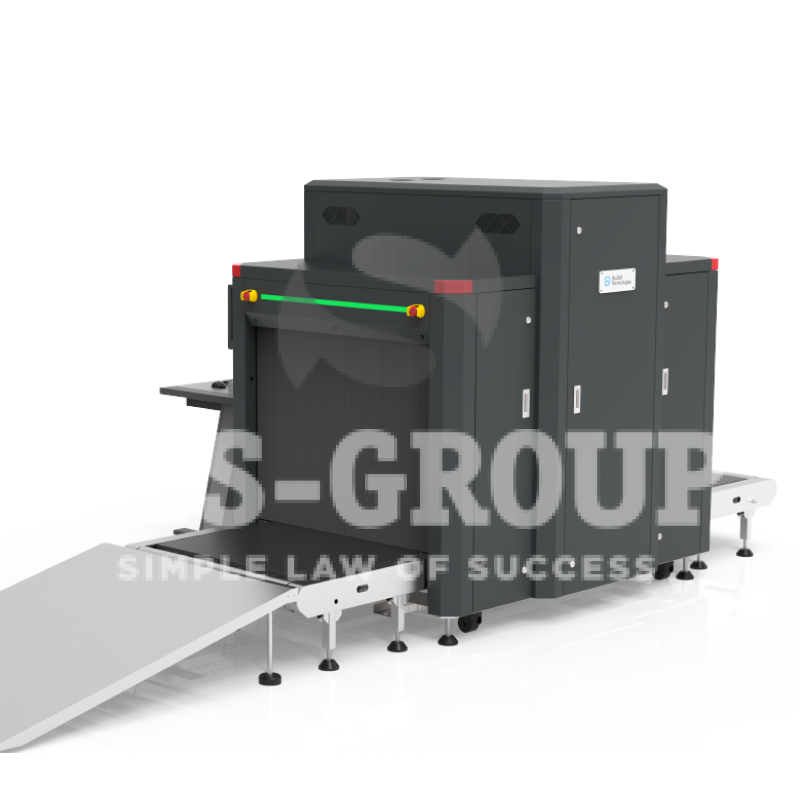
- fluoroscopic devices - for more detailed inspection of small luggage, baggage, postal items;
- inspection complexes– check vehicles, containers, trucks, railway cars;

- search devices – metal detectors, inspection mirrors, probes, endoscopes, magnifying glasses, lanterns, microscopes, videoscopes;
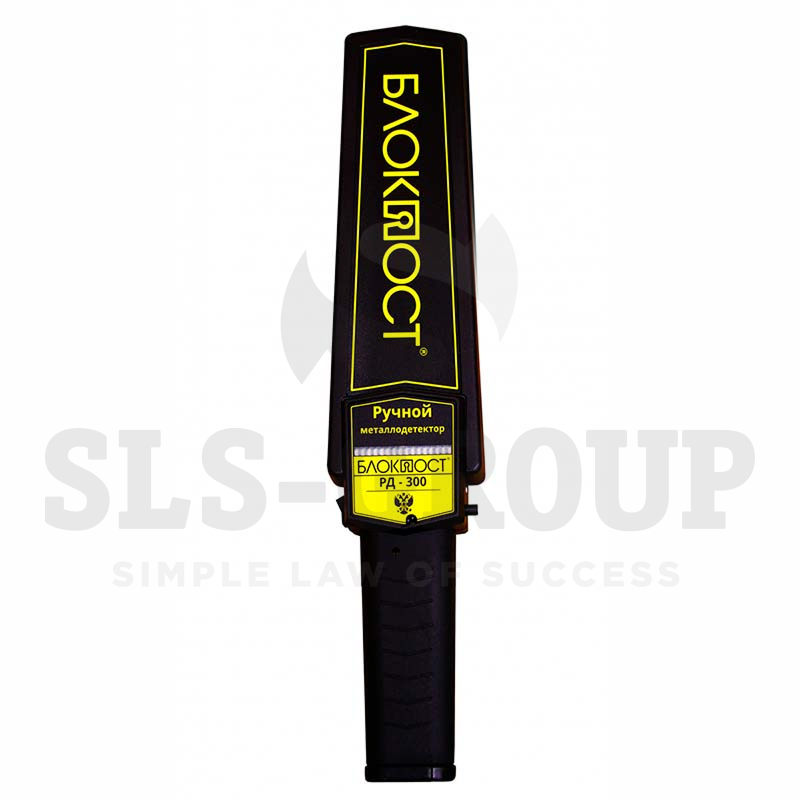


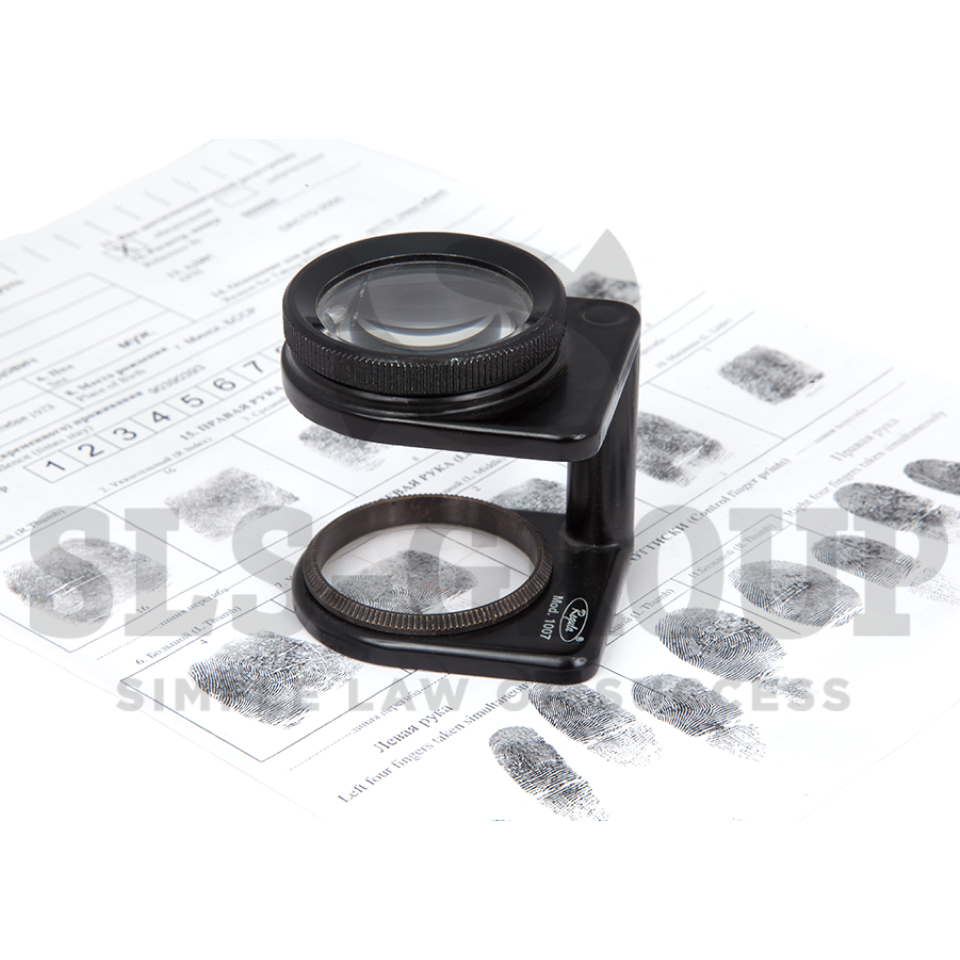

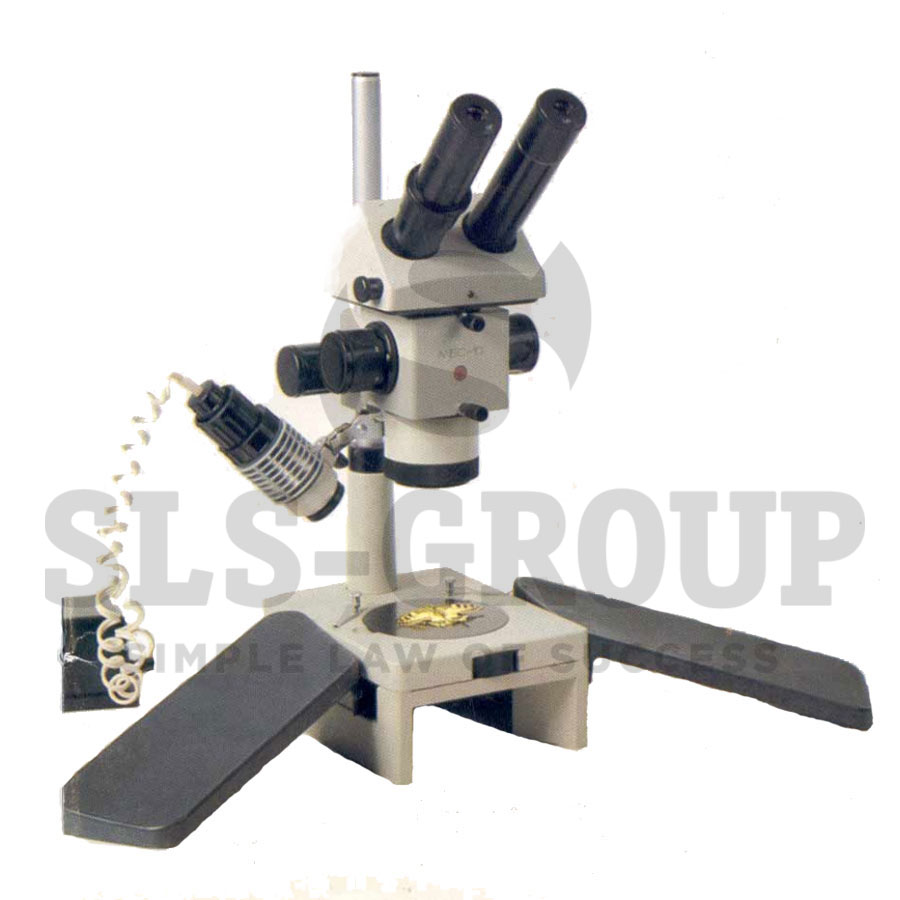

- kits for applying and reading tags – powders,felt-tip pens, UV lights;


- individual/group tool kits;
- subsurface sounding equipment - radars,devices for detecting explosives, narcotics, chemicals;

- technical means of identification– to check documents, securities, excise taxes, paper money for authenticity;

- magnetic optics– checks the authenticity of license plates, vehicle identification numbers, timber and lumber;

- chemical identification instruments– compositions for quick testing,drug detectionorexplosives;


- technical means for recording – photo,video cameras, audio systems, voice recorders, demagnetizers;
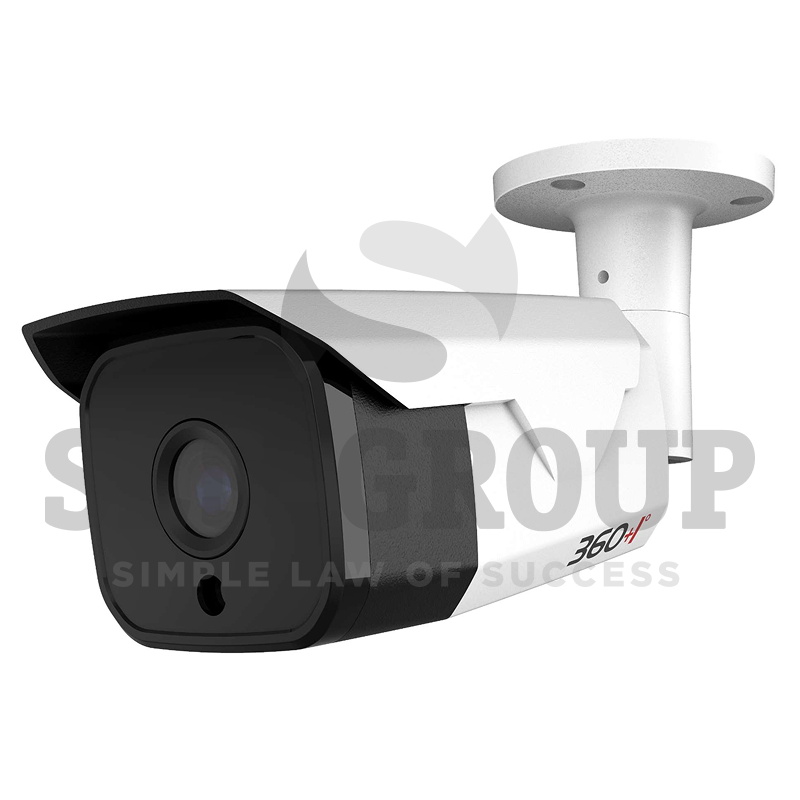
- measuring instruments - rulers, tape measures, instruments for measuring indicators, humidity meters;
- visual analysis tools – optical instruments, binoculars,magnifying glasses, night vision devices;

- scales.
Customs regulation instruments are subject to mandatory accreditation, certification, and verification. The inspection is carried out by regulatory authorities approved by the Government of the Russian Federation.
The task of carrying out customs control of vehicles is to eliminate inaccuracies during inspection due to erroneous settings or indicators, and to monitor compliance with legislative norms to ensure uniformity of measurements.
ApplicationTSTK
The technique is used for checks at the border, border checkpoints, and checkpoints. The procedure for inspecting vehicles is set out in Decree of the Government of the Russian Federation No. 747 and other legislative acts.
Technical means are used during inspection forensuring radiation safety, and also for the purposepreventing terrorist threats. Goods, people, and vehicles are subject to inspection.


A separate category of TSTC used by border structures is sea vessels.Organization of customs control of goods and vehicles using sea vessels is applicable for:
- monitoring the transportation of goods that are within the jurisdiction of customs;
- preventing crimes on the water;
- monitoring adherence to the regime;
- vehicle support;
- emergency stop of a vehicle that violates the legislation of the Russian Federation when importing or exporting goods;
- transportation of inspection teams;
- interaction with security services and military units on the border of the Russian Federation.
Technical means cannot be used in relation to persons or luggage exempt from any form of customs inspection of goods and vehicles at the border. Basic principles of using technical means: legality, scientific justification, safety for service employees and others, efficiency, expediency.