


Technical forensic tools and methods
Page navigation:
Types of forensic technology
Classification of technical forensic tools
To collect data, research, and use information in solving crimes and offenses, special technical means are used. They are actively used by law enforcement services. The use of forensic technology helps prevent or uncover criminal intent.
Types of forensic technology
К technical forensic meansinclude devices, instruments, substances, methods of application. Their task is to help law enforcement services and criminologists quickly identify and record evidence and evidence, and increase the detection of crimes.
The composition is related to the professional field of application. There are forensic tools used for collecting evidence, documenting evidence, research, analysis and storage.
Classification of technical forensic tools:
- lighting fixtures;
- optical equipment;
- powder formulations;
- metal detectors;
- search technology;
- electrical probes.
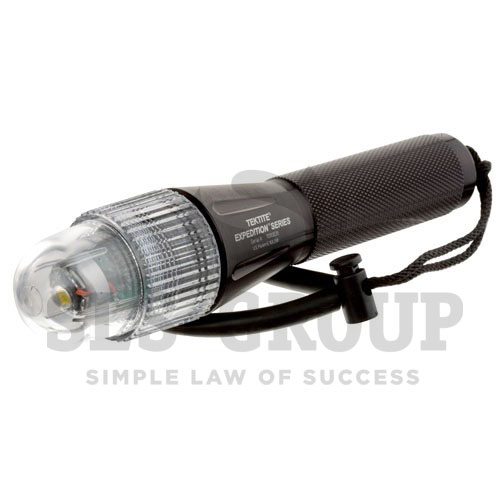
Lighting devicesmay be stationary or portable depending on use. They supply diffuse, general, directional light, use several sources at once, and allow you to switch light sources if necessary for detailed analysis.Forensic techniques and methods include:
- lighting fixtures;
- flashes;
- lanterns;
- lamps.

To search for evidence, collect evidence, search for traces of blood or other particles of human substance (sweat, semen), chemical solutions, new forensic techniques are used -ultraviolet lightsand lamps.
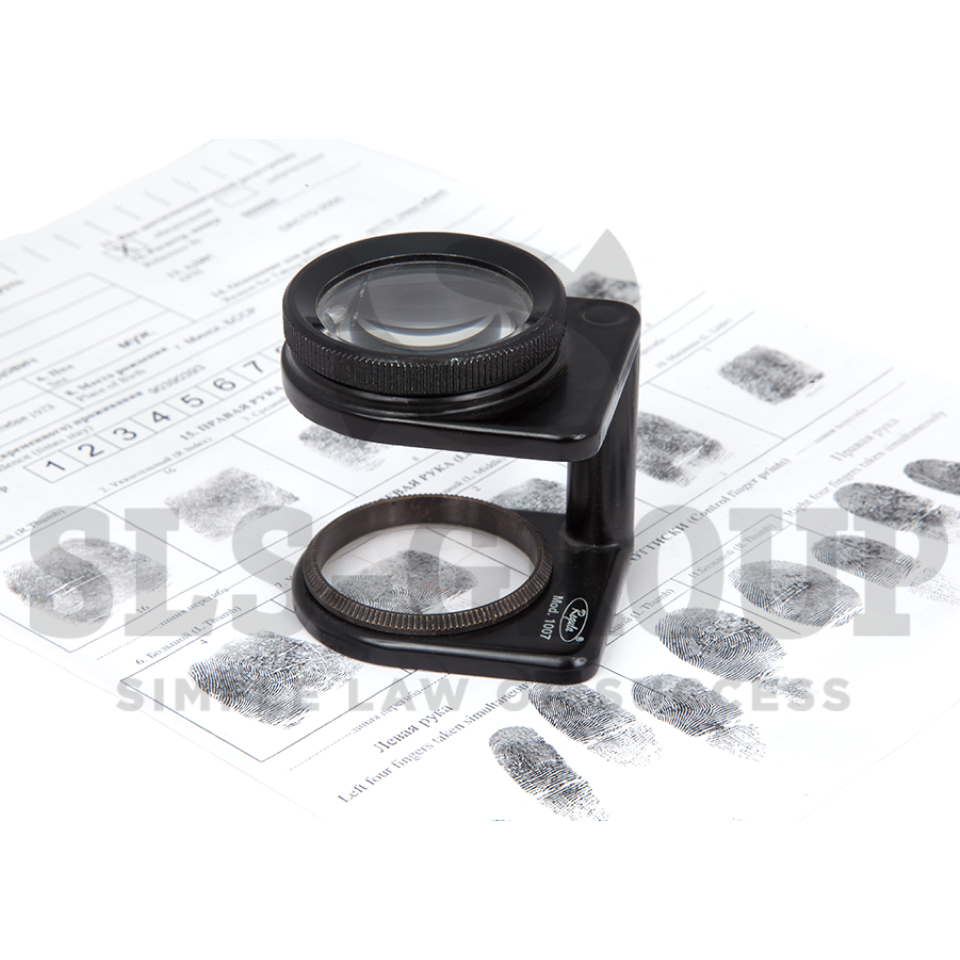
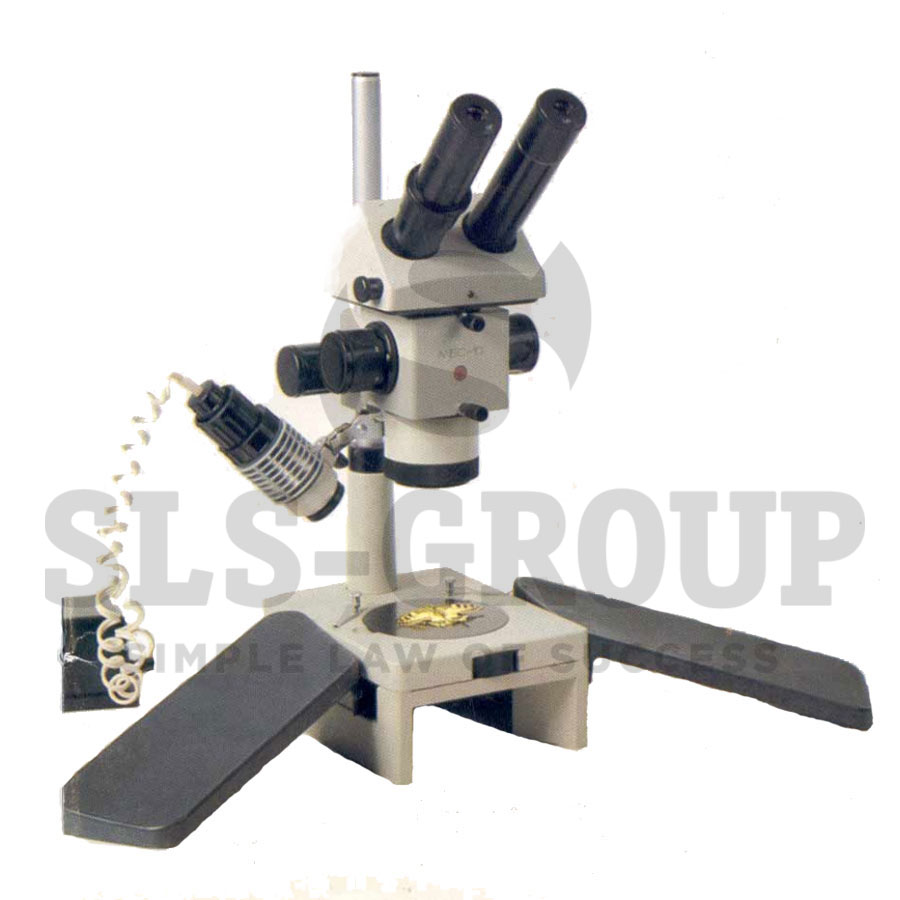
Optical instrumentsnecessary for detailed examination of small objects. With their help you can enlarge an object up to 20 times. This includesfingerprint magnets, microscopes, other magnifying devices that increase eye sensitivity.
The classification of forensic equipment will be incomplete without powder formulations. Fine powders are necessary for searching and recording fingerprints during fingerprint examination. Powders are applied with a special brush or spray. They allow you to detect prints that are hidden from view. Magnetic strips are used to collect evidence. Fingerprints can be visualized using laser devices.
Metal detectors and search devices are necessary to detect material evidence and weapons of crime. Metal detectors identify non-ferrous and ferrous metals. Search equipment is used to locate corpses. They measure the concentration of hydrogen sulfide in the ground or air. To find a corpse in the ground, electrical probes are used to determine the degree of electrical conductivity of the soil.