


How does a handheld metal detector work?
Page navigation:
Sample
Operating rules
Metal detector inspection rules
Procedure for detecting metal
What to do if the device reacts to a belt with a buckle
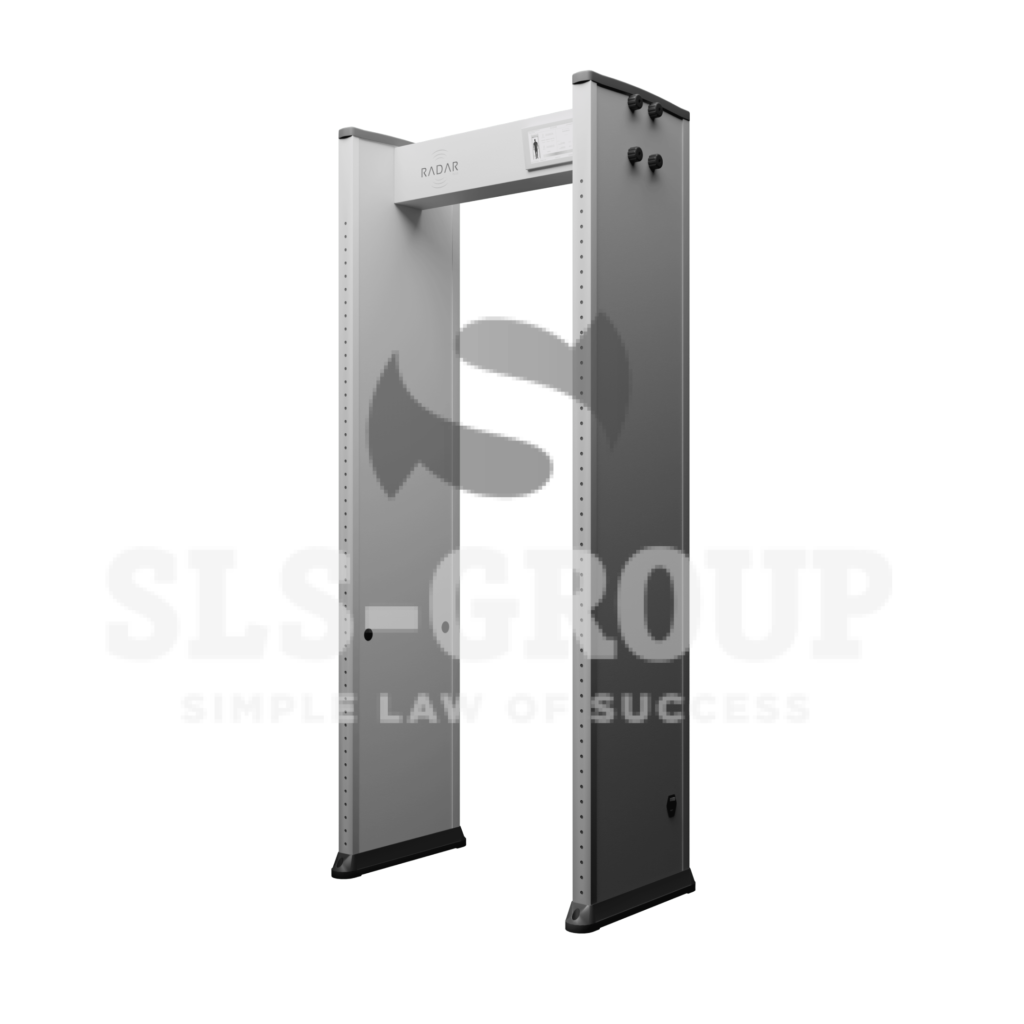
Usually at the entrance to the rear or closed area there arearch detectorswith a high throughput of up to 40-60 people per minute. If during the inspection the operator has doubts or suspicions about the carrying of prohibited metal objects, he conducts a personal checkhand-held metal detector.
These are precision instruments that make it possible to conduct a detailed inspection and find prohibited metal objects hidden under clothing or in things. The functionality of a hand-held metal detector is not as extensive as that of an arched one, but it copes with its task perfectly well.
Table of contents:
- How does a hand-held metal detector work?
- operating rules;
- inspection procedure;
- what to do if metal is detected.
Design of a hand-held metal detector and operating principle
A hand-held detector is used during public events in open spaces when it is not possible to install an arch. Compact devices are convenient to carry, they take up little space, and are equipped with a handle holder. Clear instructions and automatic settings make working with the device easier.
Handheld metal detectorMade of durable plastic that protects mechanisms and parts from accidental damage. Expensive models use impact-resistant, waterproof material. This significantly expands the scope of use of the device.
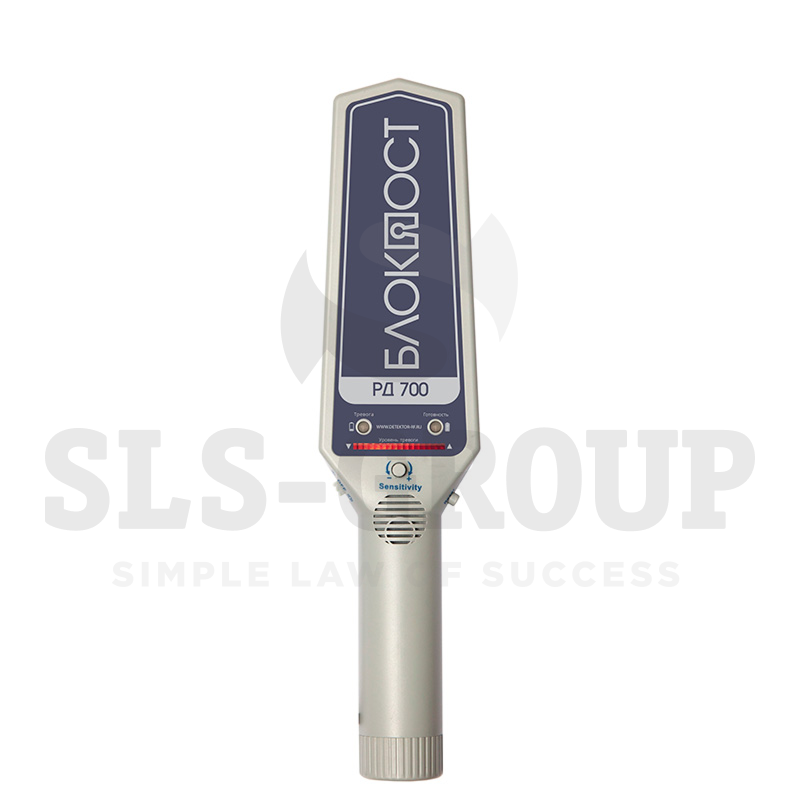
The weight of a standard hand-held metal detector is 200-500 grams. For convenience, the handle holder is covered with rubber. Thanks to this, the device fits comfortably in the hand and does not slip out. Some models have fasteners for wearing on a belt.
The operating principle of a hand-held metal detector is the same as that of arched ones. They pick up metal vibrations using an electromagnetic field. Single-frequency devices are used as additional verification tools if there is a suspicion of a violation when a person passes througharched metal detector. The devices operate from a built-in battery.
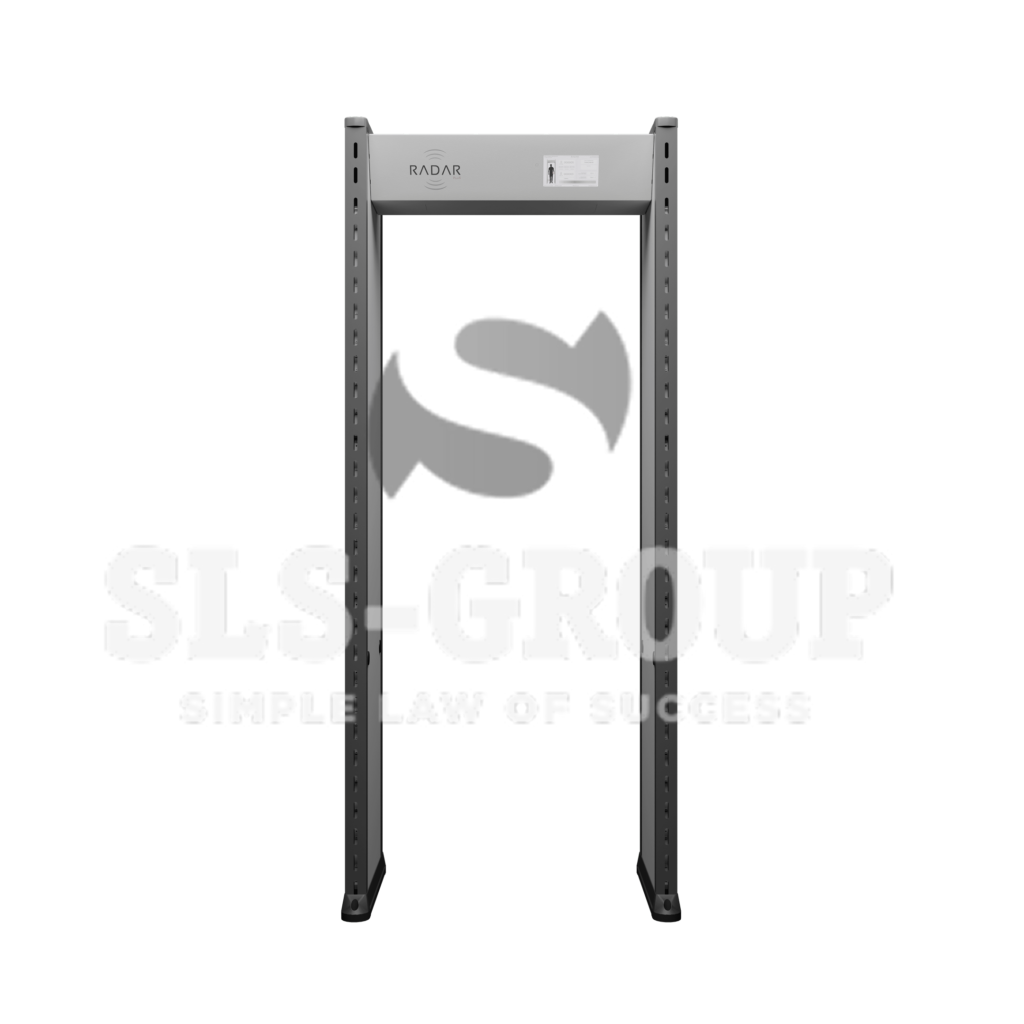
Hand-held devices react to non-ferrous and ferrous metals. If you need to conduct a specific inspection, the device should be configured manually by making a selective sample.
Sample
When a metal object is detected, the device emits a signal. The device does not need to be brought close to a person; it can detect metal at a distance of up to 30 cm.
Sensitivity depends on the model and price. You can always adjust it manually or select automatic settings. The battery life depends on the size of the built-in battery.
Operating rules
When inspecting with a metal detector, a specialist must adhere to established legislative norms and rules. He cannot touch a person with his hands or device; the detector checks from a distance.
Handheld metal detectoruse in accordance with the instructions for use. This is not a means of self-defense or protection. A strong impact may damage the housing or mechanisms.
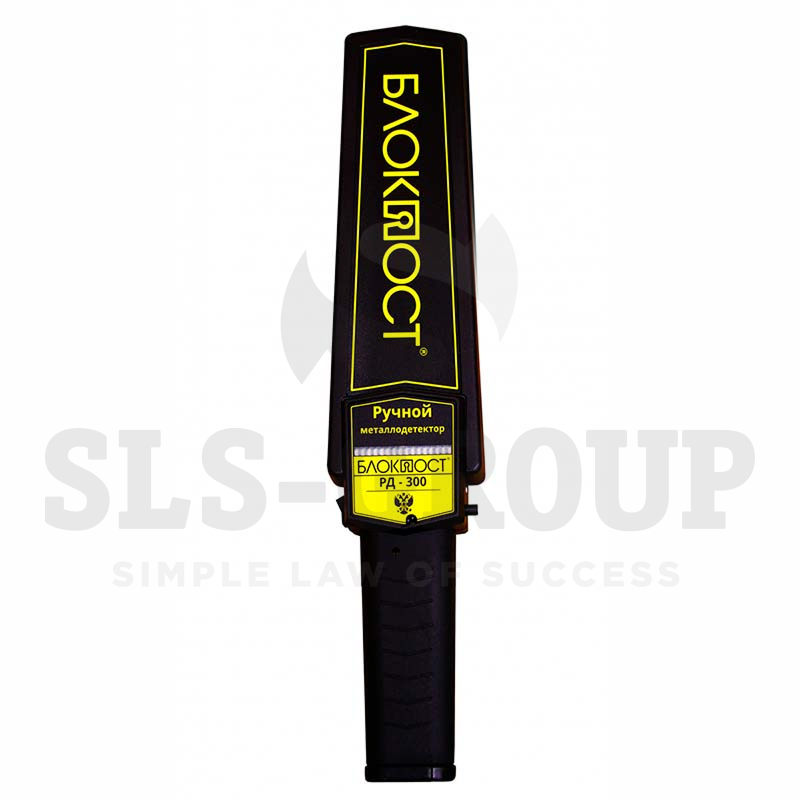
Before connecting and using the device, you must read the instructions. It is Russified and comes included. After initial setup, the device must be tested. The test is carried out on colleagues who must hide various types of metal objects under their clothes. If the device reacts poorly to metal, additional calibration is required.
When checking, the hand-held detector must be placed at a distance of at least 10-20 cm from the person. Do not touch things with the device. If the person being searched is dressed in winter clothes, it is allowed to bring the device at a distance of up to 5 cm from outer clothing.
It is better to set the device to the maximum sensitivity threshold. The higher this indicator, the better the test result will be. You can change the sensitivity manually in the device settings.
It is also necessary to regularly check the device for functionality. It is enough to bring a hand-held device to the metal that you or a colleague has several times during the working day. Apply the device slowly and check the reaction. The indicators should work.
Metal detector inspection rules
The inspection is carried out according to a general plan. The standard is enshrined in law; it is unacceptable to violate the sequence or structure.
Inspection procedure:
- seize the suspect’s metal items that he has with him, including keys, a belt, coins, and a phone;
- remove his outerwear and headdress;
- ask to place your feet shoulder-width apart, your arms should be parallel to the floor;
- the inspection is carried out from top to bottom: from the left shoulder to the left foot, then through the right foot to the right shoulder;
- the procedure is carried out first from the front, then repeated from the back;
- After examining the body, the feet, shoes, and head are examined separately.
It is more convenient to start checking from the left shoulder, gradually moving down. The detector must be positioned horizontally, at an acceptable distance. First, one half of the body is scanned from top to bottom. The operator then moves through the right foot to the second half of the body, moving up to the right shoulder.
The movement from the shoulder goes towards the hand, and then returns back through the armpit. The detector is then moved to the side of the body up to the feet. Then the test is carried out from the inside of the legs, moving to the adjacent leg. The procedure is repeated in reverse order on the second part of the body.
The next step is to check from the reverse side. The same algorithm is used for the back of the body as for the front.
When the body is completely scanned, the operator begins to inspect the shoes. This involves asking the person to lean on a table or chair and then lift their foot so that the sole of the foot is visible. The operator scans the sole of the shoe of one and the other foot.
The final stage is checking the head. First, the operator scans the frontal part of the head, then moves to the crown, back of the head, and down to the neck. Touching the suspect's head is strictly prohibited.
Procedure for detecting metal
The inclusion of a sound or light signal during an inspection indicates the presence of a metal object on the body or in things.What to do:
- ask the suspect to take out a hidden object to which the device reacted;
- re-scan;
- if the signal sounds again, you must again carefully ask the person to check their pockets and things for the presence of other metal objects;
- perform another scan.
Repeated inspection is carried out in the area of the body where the device reacted for the first time. The test procedure is carried out as many times as necessary so that the device does not stop responding. Caution must be exercised, as the attacker may have a bladed weapon or pistol with him. After the inspection, the operator carefully examines the seized metal objects to ensure that they were the ones that triggered the device.
What to do if the device reacts to a belt with a buckle
When checking, the detector may respond to the belt buckle.In this case, the operator has several options for further manipulations:
- he may ask to remove the belt and recheck;
- he may ask you to pull back the belt to make sure there is nothing underneath.
At waist level, the detector can respond to more than just the belt buckle. There is also a zipper, buttons, buttons. If the security officer is confident that the device does not respond to a belt buckle or button, he should politely ask the person being searched to go to the personal screening room.
Handheld metal detectorused by the operator if, when passing throughinspection archindicators have worked. The devices are used for personal inspection at checkpoints, public places, factories, customs or borders.
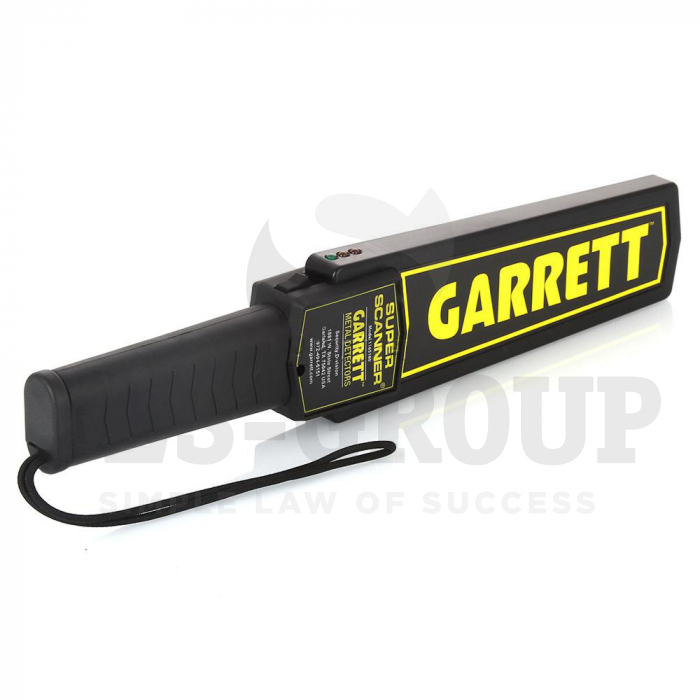
Often hand-held instruments are used in the work of housing and communal services, service companies when carrying out repairs in houses, if they need to find metal objects hidden in the floor or walls. Postal workers use hand-held detectors to check parcels and correspondence.
A hand-held detector is a must-have elementsecurity organizations. Security guards and security officers use hand-held detectors when on duty, working at public events, and public movements on city streets. Such devices are often used at football or hockey matches, stadiums, and election stations.