

Setting up and operating a metal detector
Page navigation:
Installation of an arched metal detector
Sensitivity calibration
Program selection
How to set up a metal detector
To increase security at closed facilities, large crowds of people, in buildings representing or storing material assets,airports, train stations and other places, use metal detectors. These are complex technical arch-type devices equipped with a processor, sensors, control unit, and indicators. They are installed to control the entry or transportation of dangerous metal objects. Accuracy and sensitivity depend not only on the model, but also on the correct setup, calibration, and operation of metal detectors. Let's consider this issue in detail.
Table of contents:
- operating principle
- rules for installing a metal detector;
- sensitivity calibration;
- program selection;
- How to set up a metal detector frame.
Operating principle
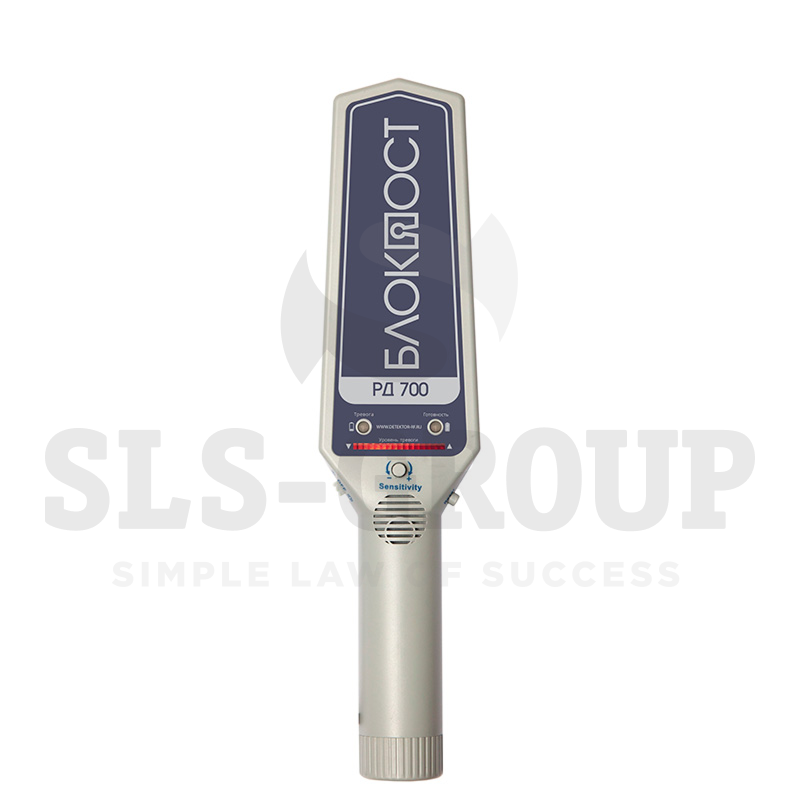
Metal detectorsthere may bestationary и manual. They have a similar operating principle, but different actuation mechanisms, as well as throughput. The devices operate on the principle of receiving and transmitting electromagnetic fields. It reacts to the metal, its mass, and other characteristics, and sends a signal.
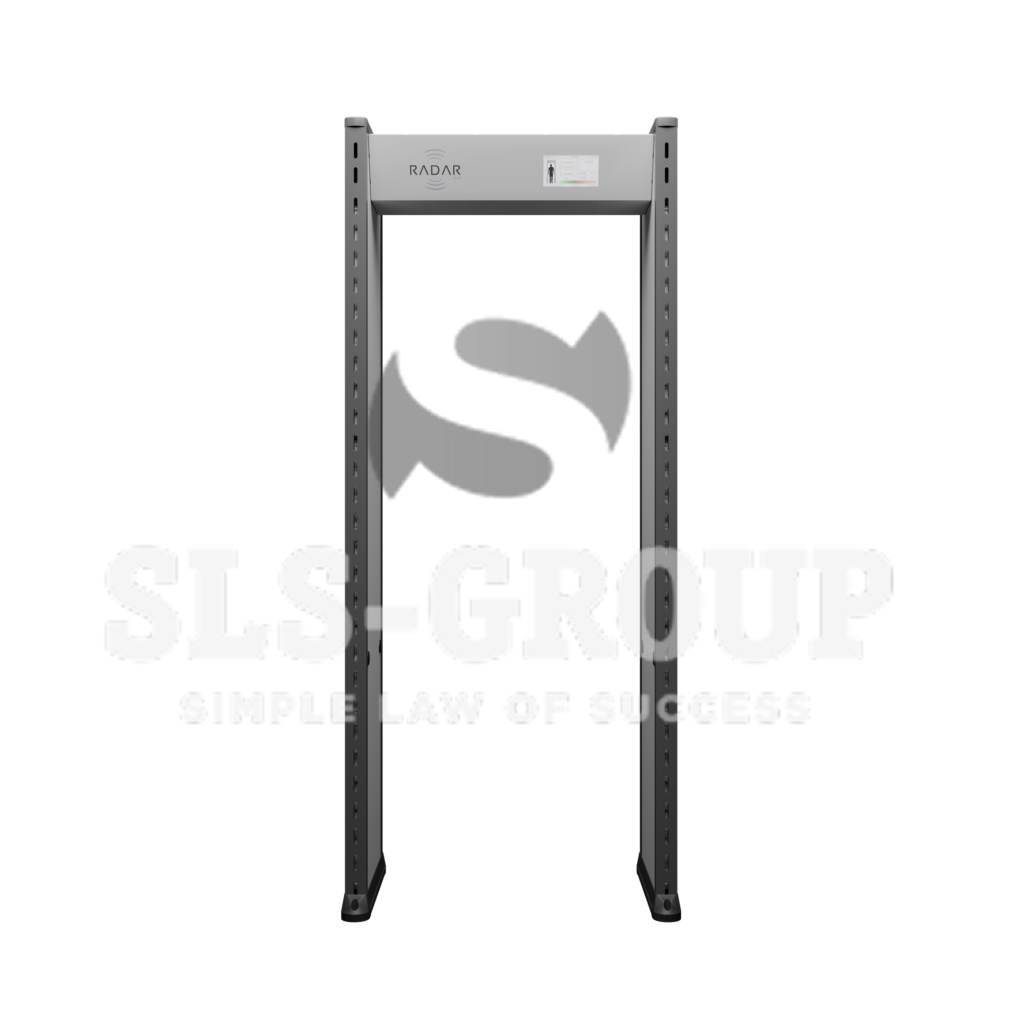
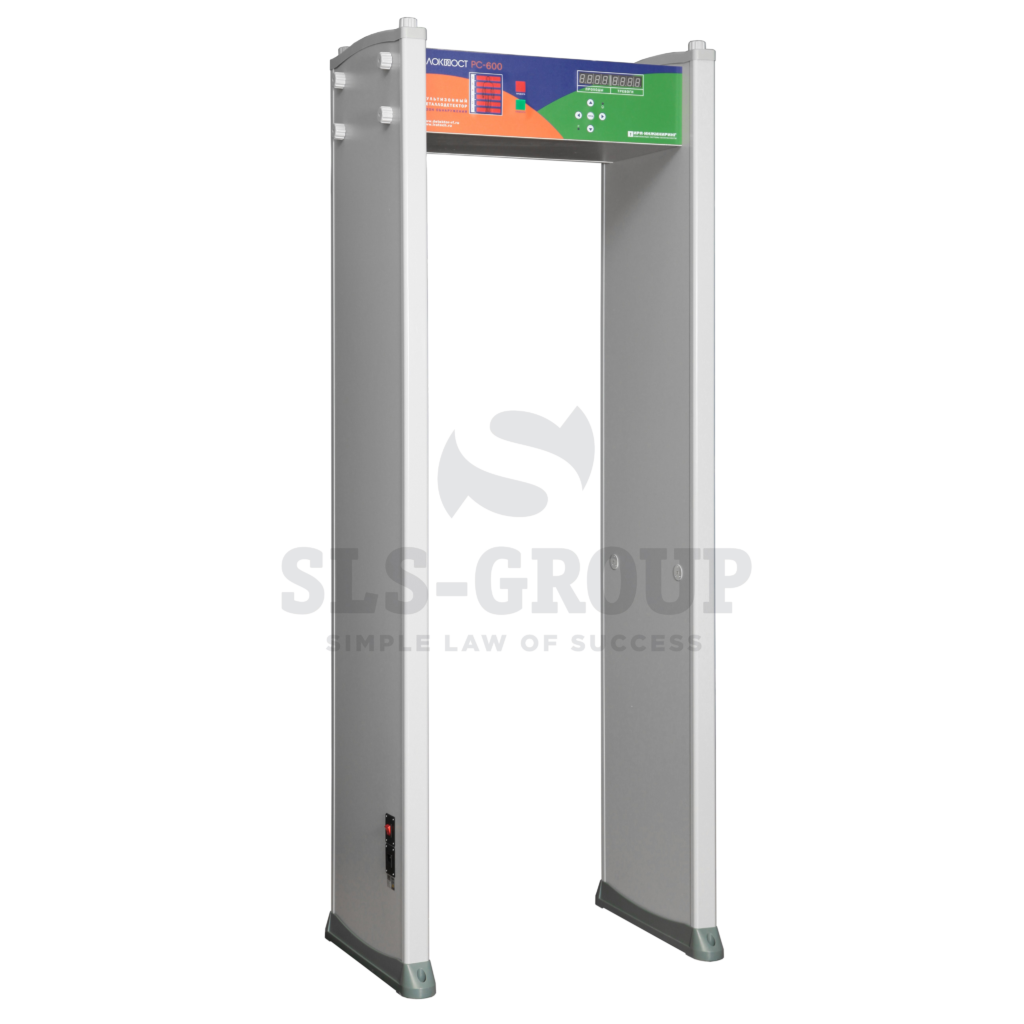
В arched metal detectorscoils for receiving and transmitting electromagnetic pulses are located in the side panels. One frame can contain from 2 to 64 pulses. The more coils, the higher the sensitivity and accuracy of the device.
Multi-zone detectorsallow you to accurately determine the place where metal is hidden on a person’s body. In multi-zone devices, the coils are located along the side panels along the entire length, which significantly increases sensitivity and expands functionality.Single zone detectors- these are frames with two coils (one on each side), so they are not able to accurately show the location of the metal object that a person is trying to carry under clothing.
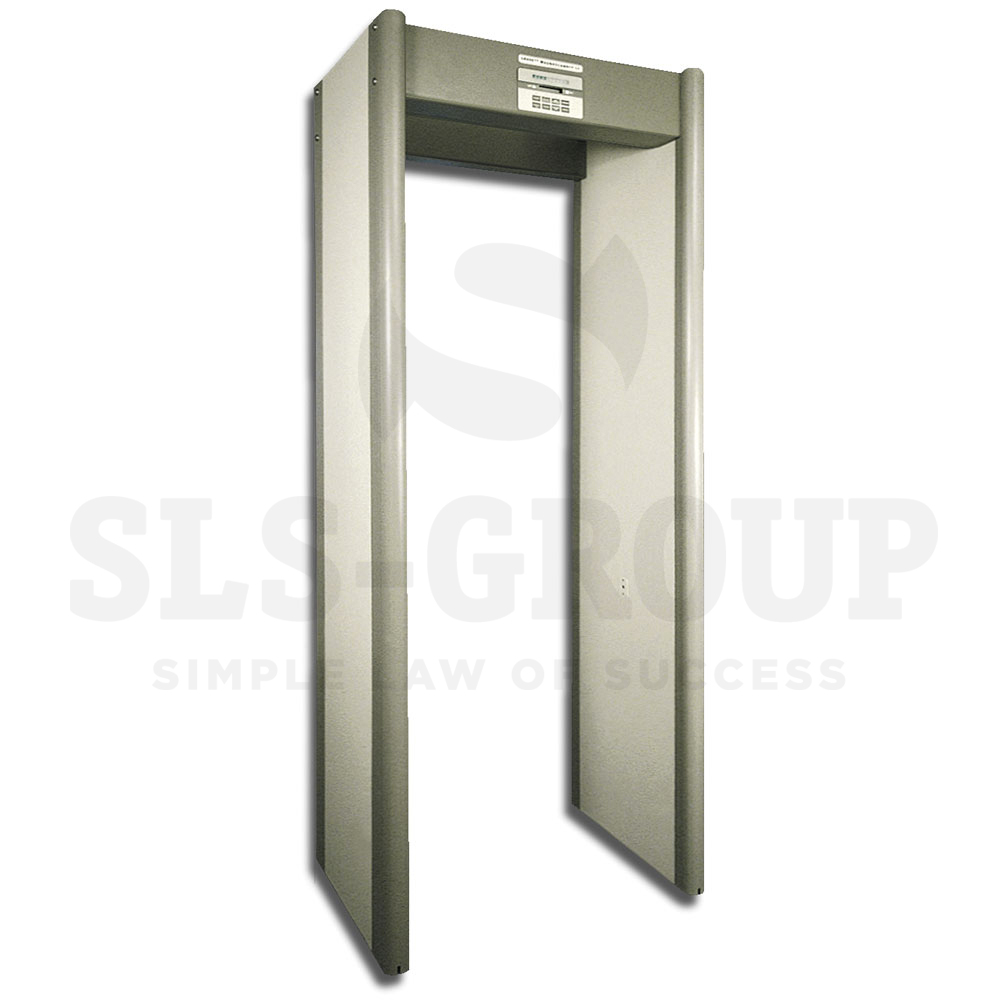
Modern models can also determine the type of metal by weight and other characteristics so that the operator understands what object a person is trying to carry through the arch.
The more metal objects a person tries to carry, the better the detector reacts. New models are able to recognize even small metal dangerous objects. Their size can be no larger than a razor blade.
But it is still worth noting that the speed and quality of detection is affected by the size, shape, and amount of metal. The larger the area, the easier it is for the device to detect a metal object. In new models, you can adjust the sensitivity so that the device can capture even small-sized objects with metal.
Installation of an arched metal detector
Depending on the model and type, detectors can be installed in rows or at a distance of at least 2 meters from each other. When installed in rows, highly sensitive devices may give false alarms.
It is not recommended to install metal detectors at a distance of less than 50 cm from each other. This applies to modern pulse devices. The remaining models are installed at a distance of 2-3 meters from each other.
What if there is other metal nearby in the room where the device will be installed? Won't the arch react to it? The metal detector operates in such a way that other metal objects in the environment do not affect sensitivity or accuracy. To be safe, it is also recommended to maintain a distance of 50 cm from any metal-containing objects.
For a number of inexpensive models, additional installation of a protective screen or panel may be required, which will reduce the influence of foreign metals on performance. To avoid interference that may appear due to the influence of electromagnetic fields around, you need to change the frequency of the field in the arch. This can be done through the control unit. For most models it is located on one of the side panels.
A metal detector can be installed unnoticed by others, which will increase the number of offenders caught. Not all models can be hidden, but magnetometric detectors look like a simple rack or column.
Magnetometric stands can only identify metals and alloys of the magnetic type. They allow non-magnetic metals to pass through. As for objects made of magnetic metals, in this case they have no equal. The device identifies metal objects the size of a blade.
Sensitivity calibration
The ability to accurately determine a metal depends on the sensitivity and selectivity of the instrument. This parameter is regulated by GOST. All devices must be customizable, and also be able to distinguish metal from non-metal by mass, impulses, and other characteristics.
Metal detectors have microprocessors with built-in software. Thanks to this, developers are able to embed programs and algorithms that increase the efficiency of recognizing metal objects. Identification is carried out using a built-in database, which gives the operator the opportunity to more accurately recognize objects.
The problem with many metal detectors is their response to harmless objects containing metal. The signal is triggered by keys, jewelry, key fobs. This error of the device can be corrected and the operator can be saved from unnecessary additional checks by calibrating the sensitivity.
You can adjust the sensitivity through the power supply, which is located on one and the side panels. It is protected by a plastic cover and a password. Ferrous and non-ferrous metals give different levels of signals when colliding with a magnetic field. Ferrous metals, for example, steel, iron, are better recognized by detectors, so they can be detected even at low sensitivity levels. Pistols and bladed weapons are most often made of ferrous metals.
Non-ferrous metals, such as precious alloys, aluminum, lead, stainless steel, require a higher level of sensitivity of the device, since when colliding with a magnetic field they give a low response impulse.
The operator should set the minimum sensitivity threshold on the metal detector. In this case, there will be fewer false positives for safe objects, but the weapon can be identified without effort.
Program selection
In addition to setting selectivity and sensitivity, the device can make selections based on individual parameters. To do this, the new models have more than 20 modes. Built-in programs and algorithms help the operator analyze, process, and refine the signal. When the arch is triggered, the signal is transmitted to the device processor, passes through an analytical algorithm, and the operator receives an image and summary on a separate monitor.
Metals of different groups react to an electromagnetic field with different effects. The amplitude of the secondary electromagnetic field changes, as well as the reaction rate. Programs are able to capture the smallest difference in the time of transmission of the response signal, down to a millisecond. This high selectivity simplifies the operator's task of identifying the item.
The algorithms are based on numerous studies and experiments that tested the reactions of different types of metals to external sources of electromagnetic radiation. Metal detector programs use these algorithms to select different measurement points to determine the type of metal.
The software stores an updated database that lists all types of non-ferrous and ferrous metals, as well as data on processing signals received by the device receiver. The operator needs to select the desired program, the rest will be done by the device itself.
When choosing a program, it is necessary to take into account the likelihood of interference and false alarms. If you set the metal detector to a program with a high selection of materials (type of metal), it will catch extraneous noise more strongly. Before using a metal detector, it is recommended to carefully review the instructions, take into account recommendations, external stimuli, and the location of the device.
How to set up a metal detector
Modern devices are quite simple in terms of connection and basic settings. Each device comes with clear, step-by-step instructions for using metal detectors in Russian.
Despite the large number of built-in programs that change and improve basic characteristics, you can set up the device in a couple of minutes. The operator can choose basic settings, leave it in automatic mode, or go deeper and master all the functions.
Basic setuparch metal detectorconsists of setting parameters based on selected characteristics. The method works quite well and allows you to use the device effectively. To configure, you need to access the control unit on one of the side panels of the arch. The default password code from the factory should be changed.
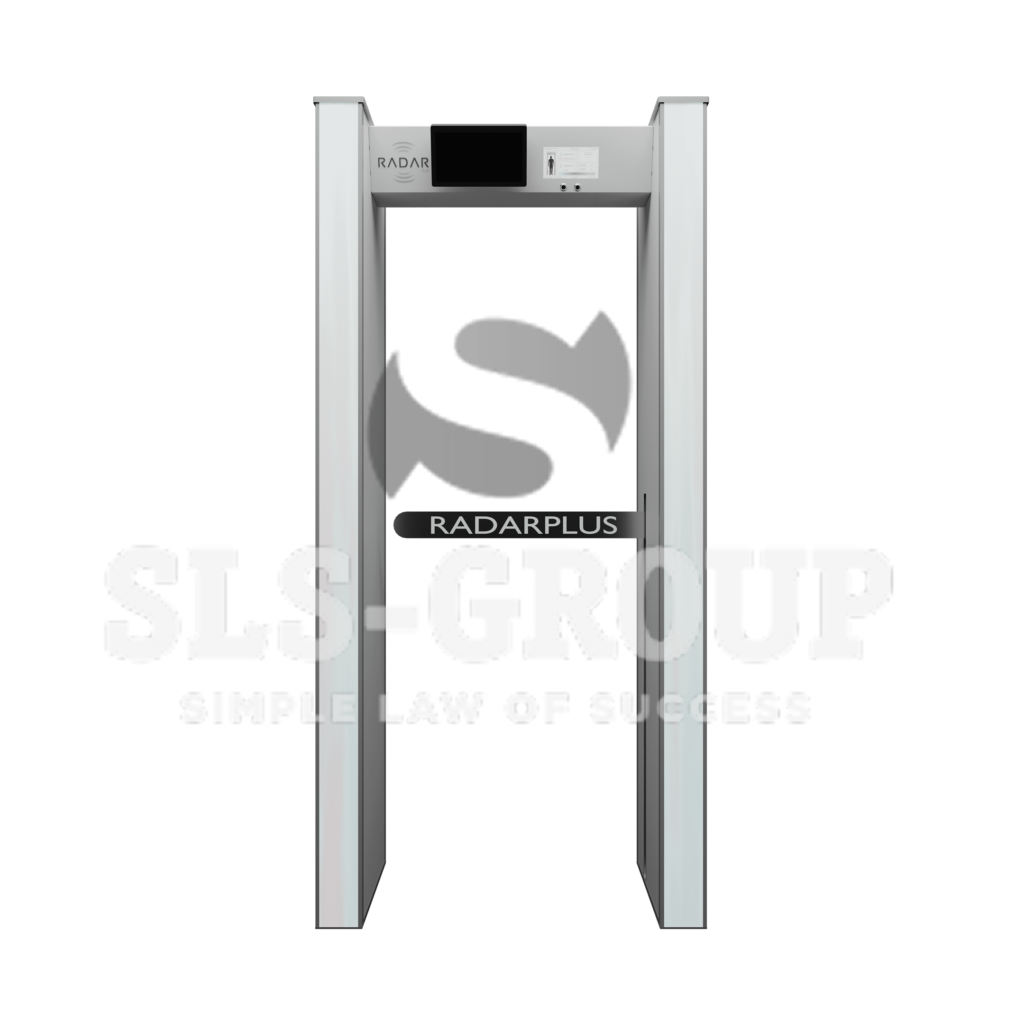
Step-by-step basic setup of the metal detector frame:
- selecting the minimum object size that can be detected by the device; at this stage the operator should be extremely careful, the accuracy of the detector when detecting metal objects depends on his choice; if he specifies too large parameters, the attacker will be able to bring in smaller objects that will cause serious harm;
- sampling for safe items that the detector will not respond to; in the settings you can remove keys, coins, belt buckles, pens, glasses, watches, jewelry, cigarettes;
- installation of a program that will help strengthen protection; you can adjust the sensitivity and selectivity of the device, add certain types of weapons if there is a risk that these particular items may be carried into the entrusted territory;
- entering factory program parameters for each block, the values will be set automatically and saved in memory;
- automatic sensitivity adjustment according to the selected program or manual control; For beginners, it is better to use the automatic sensitivity settings of the device.
After setting all the parameters, immediately before using the metal detector, it is necessary to conduct testing. Each device has a corresponding function as standard. You need to turn on test mode and go through the arch with a metal object several times. The number of passes and the type of item will be recommended by the device program. After each pass, the position of the object should be changed to check all zones and sensitivity. At the end of the test, the device will emit a corresponding signal and display the results.
After testing, the operator should immediately check the metal detector for sensitivity and selectivity settings in order to minimize the number of false alarms during operation. To do this, he needs to take safe metal objects and go through the arch. If the device reacts to the carrying of such objects, additional adjustment of the metal detector is required, repeat steps 2 to 5 inclusive.
The selection of safe items can be done quantitatively, that is, the number of items that can be in a person’s possession at the same time can be changed, while the detector will not respond to them. They can be reduced or increased in the basic settings of the metal detector when selecting a program.
As the main working program, it is worth taking a mode where you can add the maximum number of safe objects, and set the optimal sensitivity parameter with a reaction to the smallest metal objects that may pose a danger.
After the test procedure, the operator needs to set the remaining parameters:
- speed of passage, reaction;
- type of siren: sound, light, mixed;
- alarm tone.
Basic setup takes about 30 minutes. After this, the device will set the preset modes automatically every time you turn it on; you won't have to change or adjust them. Adjustments or changes to settings may only be necessary if the operator notices measurement errors or an increase in false alarms.
Another parameter that requires the operator’s attention is throughput. You can view the value for a specific metal detector in the technical data sheet. The average is 50-60 people per minute. The passage speed depends on various factors, so actual performance may be much lower than the reference value specified in the device passport.
Throughput is affected by:
- false positives;
- additional checks;
- repeated passes.
У multi-zone detectorshigher throughput thansingle-zone, since the need for additional checks and repeated passes is reduced.
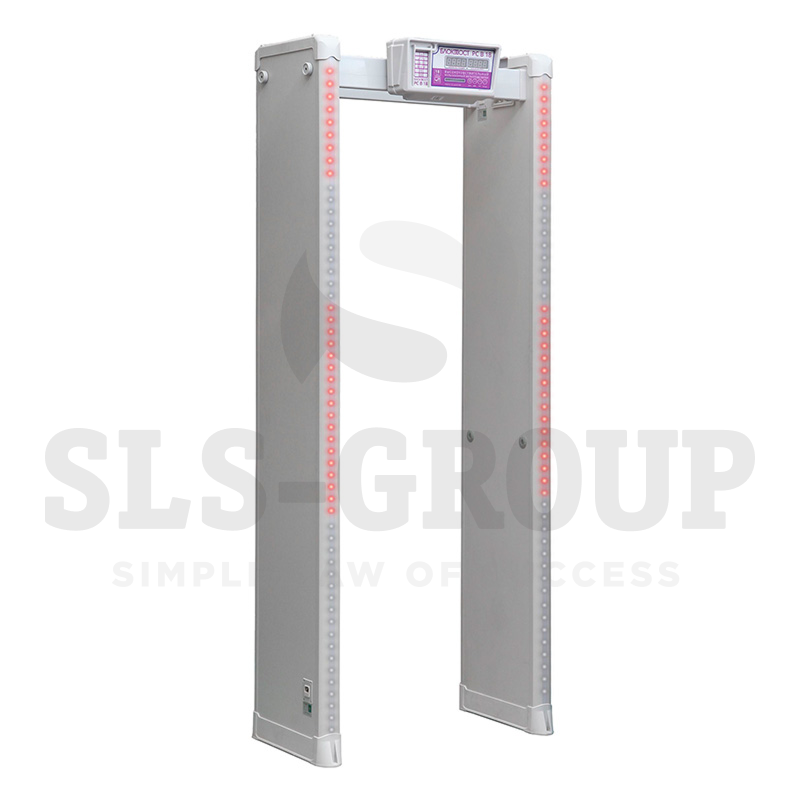
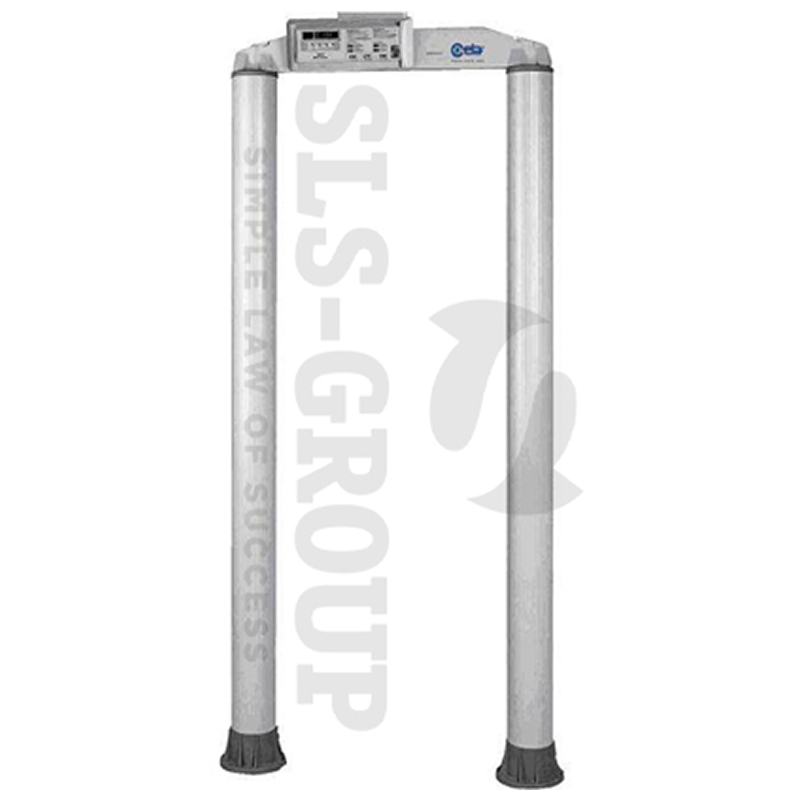
Correct basic settings will protect an object or area from the passage of dangerous metal objects, and therefore ensure the safety of people. The better you set up the device, devoting enough time to it, the higher the quality of the test will be. Security officers will not have to spend a lot of time on additional checkshand detectoror repeated passes.