


Types of metal detectors
Page navigation:
Pulse devices
Magnetometric devices
Multi-zone and single-zone detectors
Handheld detectors
Metal detector throughputs
Selectivity
Health effects
One of the inspection methods to improve safety on site ismetal detectorat the entrance. The purpose of metal detectors is to identify metal objects that can be hidden in luggage, hand luggage, parcels, and things. Sensitivity depends on type and characteristics. Let's look at what types are found and why a metal detector is needed.
Table of contents:
- arch detectors;
- pulse devices;
- magnetometric devices;
- multi-zone/single zone detectors;
- handheld detectors;
- throughput;
- selectivity;
- impact on health.
Reel-type arched devices
The largest group. They are popular because they are characterized by accuracy, efficiency, and convenience. The check is carried out “on the go”; there is no need to slow down the flow of people or baggage acceptance. Bandwidtharch metal detectorper hour can reach 100-300 people. A person can walk through the arch at a normal pace without stopping or slowing down.
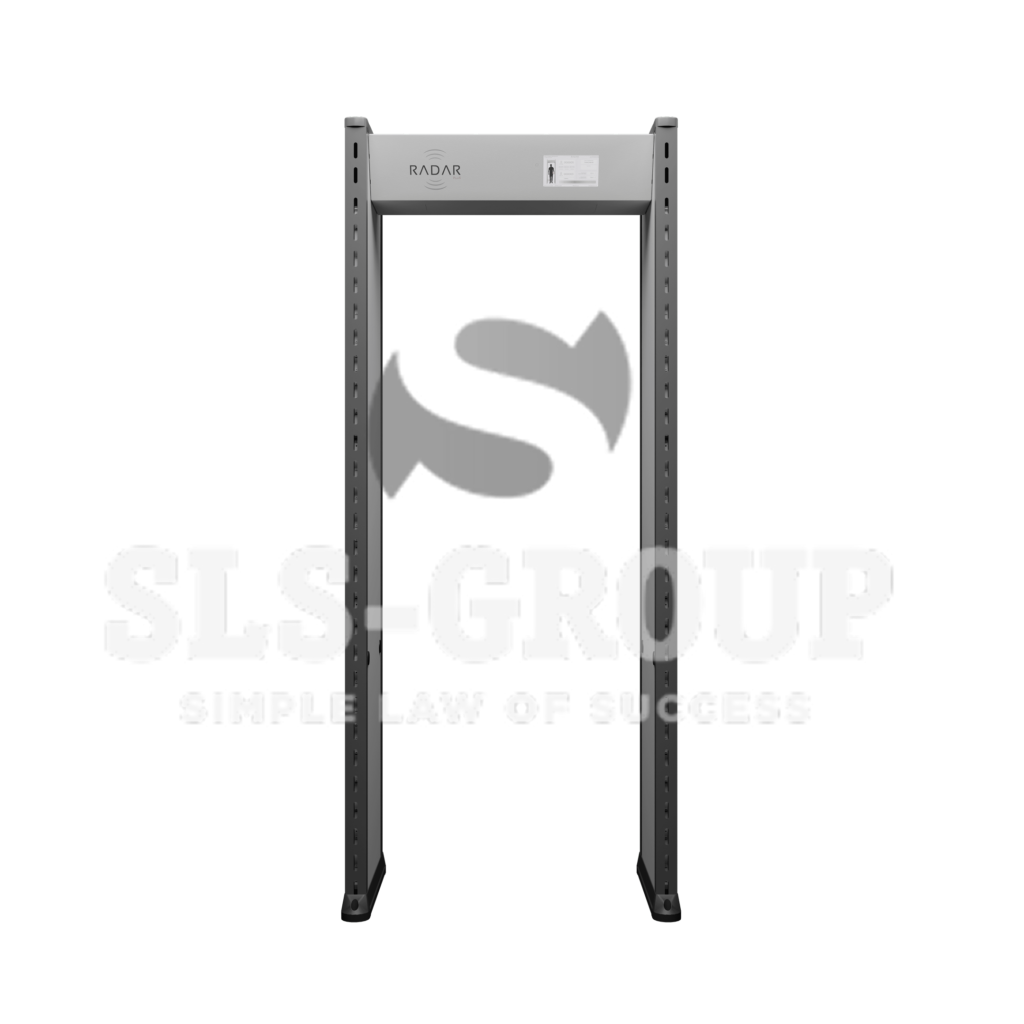
Arch detectors operate on the principle of receiving and transmitting impulses. On both sides of the arch, coils are hidden in the panels that generate an impulse. They transmit a signal continuously to each other through the empty space of the arch.
When a person passes through the arch, he cannot be an obstacle to the transmission of an impulse between the coils, but the metal blocks the signal, which triggers the light and sound indicators. The device analyzes the primary and secondary signals, the data is quickly processed by the built-in processor, and the result is sent to the operator on the monitor.
The device helps to find non-ferrous and ferrous metals under thick clothing or on the body. For ferrous metals, the pulse phase shift can be positive and negative, while for non-ferrous metals it is only negative. The metal detector relies on these characteristics to interpret the results.
Sensitivity depends on the model and cost. Inexpensive ones have no sensitivity, so they do not always react to metal. The more expensive the model, the higher the sensitivity. Many models have the option of switching the sensitivity mode, which is convenient if several devices are working in one place at once, there is a risk of false alarms due to interference. Sensitivity is adjusted by mass.
Types of stationary metal detectors that use pulse coils cannot be placed close to each other, as this will lead to false alarms and increase the inspection time. The distance must be at least 2 meters.
These types of arched metal detectors are installed ineducational, medical institutions, government buildings. They provide basic protection.
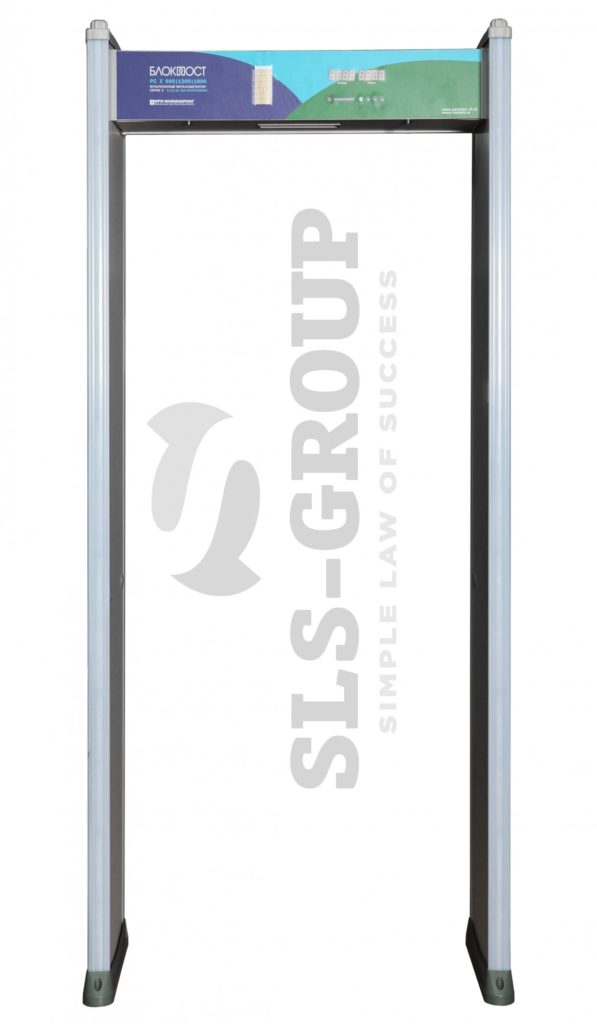
Pros:
- simple design;
- ease of setup and operation;
- low price.
Cons:
- the analysis is based on the mass of the object, which can lead to missing metal;
- low sensitivity;
- high requirements for the placement of devices in the room;
- the disability to install arches in a row at a minimum distance from each other;
- heterogeneity of the electromagnetic field, causing “blind spots” closer to the edges of the arch.
Due to the disadvantages of using arches with a coil, false positives often occur. Security guards have to spend extra time re-inspecting with handheld instruments.
Pulse devices
Pulse-type arches are more complex than simple coil devices. They have several coils installed for reception and transmission at once, which increases the sensitivity several times.
Their operating principle is similar, but due to the difference in pulses, several devices can be placed in one zone at once. In this case, there is no need to maintain a minimum distance between the arches; they can be placed at a distance of 30-50 cm from each other.
Pulse arches detect metal not only according to the magnetic-non-magnetic principle, but also according to other characteristics, so the number of false alarms is reduced, since they do not react to keys, phones, and other personal items.
The magnetic field is transmitted between the two side panels of the frame at different speeds, and the processor accurately identifies what kind of metal a person is carrying. On the control unit hidden behind the side panel, you can select sensitivity settings and other parameters.
Pros:
- resistance to interference;
- the ability to organize multi-zone passages by placing arches close to each other;
- minimum false positives;
- accurate detection.
Cons:
- price starts from 70,000 rubles;
- difficult setup.
Magnetometric devices
These are arch detectors without their own radiation source. In their work they use the earth's magnetic field.
This method of obtaining a radiation source gives good results. Externally, the devices look more like a regular gate or post. This makes it possible to deceive and lull attackers who may not even realize that they are passing through a control point.
Magnetometric stands can only identify metals and alloys of the magnetic type. They allow non-magnetic metals to pass through. As for objects made of magnetic metals, in this case they have no equal. The device identifies metal objects the size of a blade.
Pros:
- small sizes;
- does not look like a metal detector;
- do not have a harmful effect on humans or the environment;
- Can be installed in high traffic areas.
Cons:
- cannot detect non-magnetic metals;
- the price is above 150,000 rubles.
Multi-zone and single-zone detectors
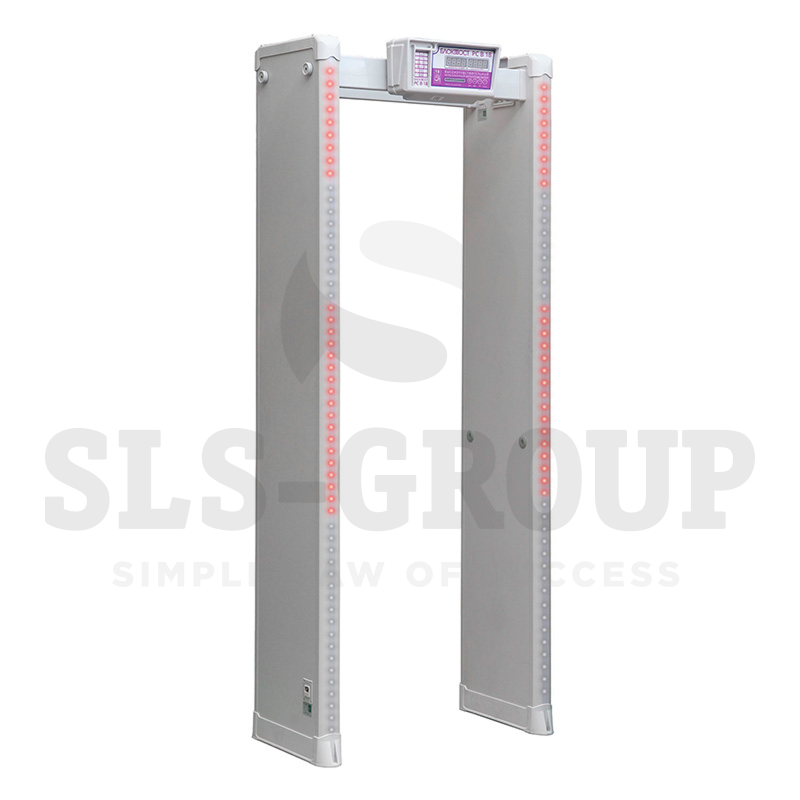
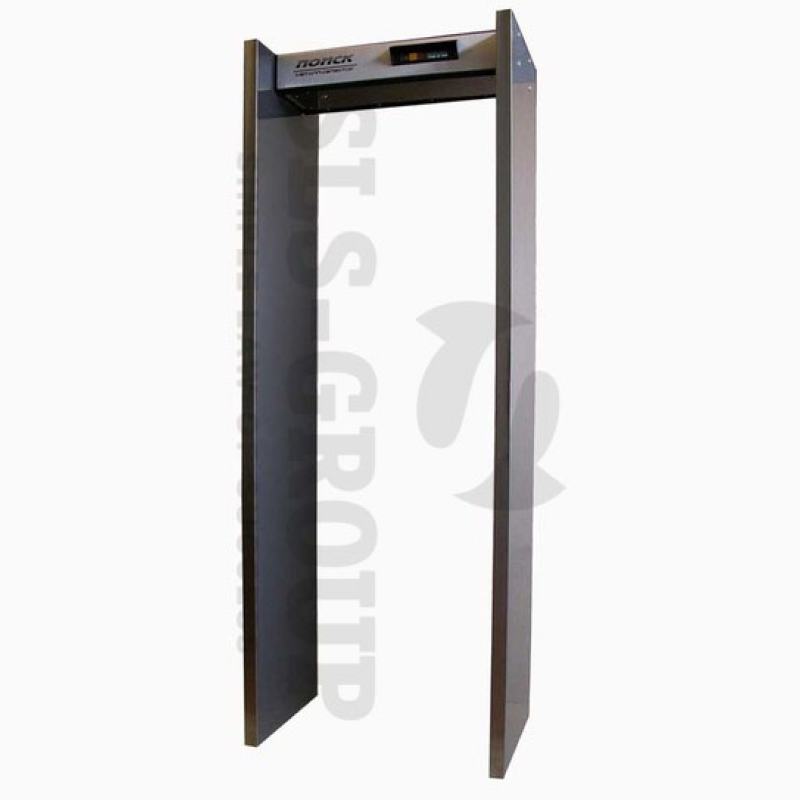
Metal detectorsthere may bemulti-zoneorsingle-zone. In multi-zone coils, the coils are located along the side panels along the entire length, which significantly increases sensitivity and expands functionality. Single-zone detectors are frame detectors with two coils (one on each side), so they are not able to accurately show the location of a metal object that a person is trying to sneak under clothing.
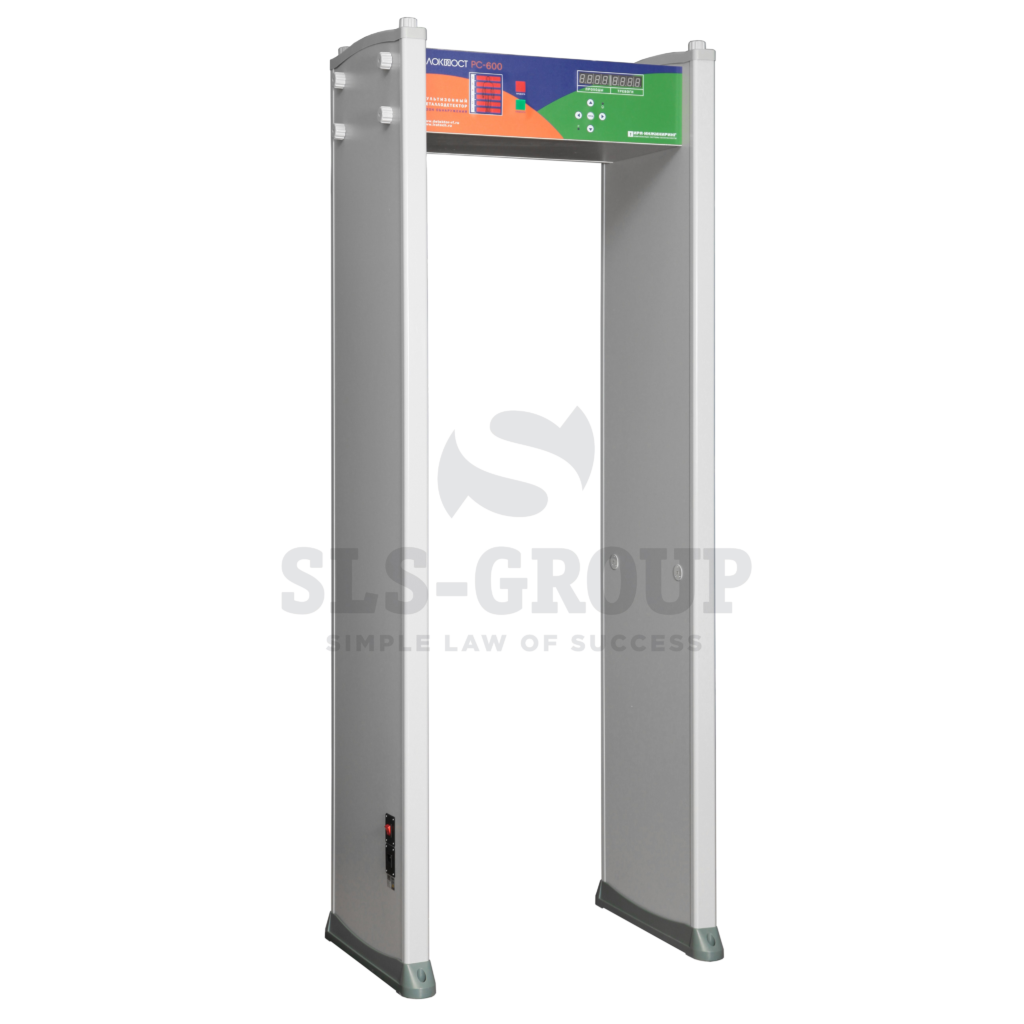
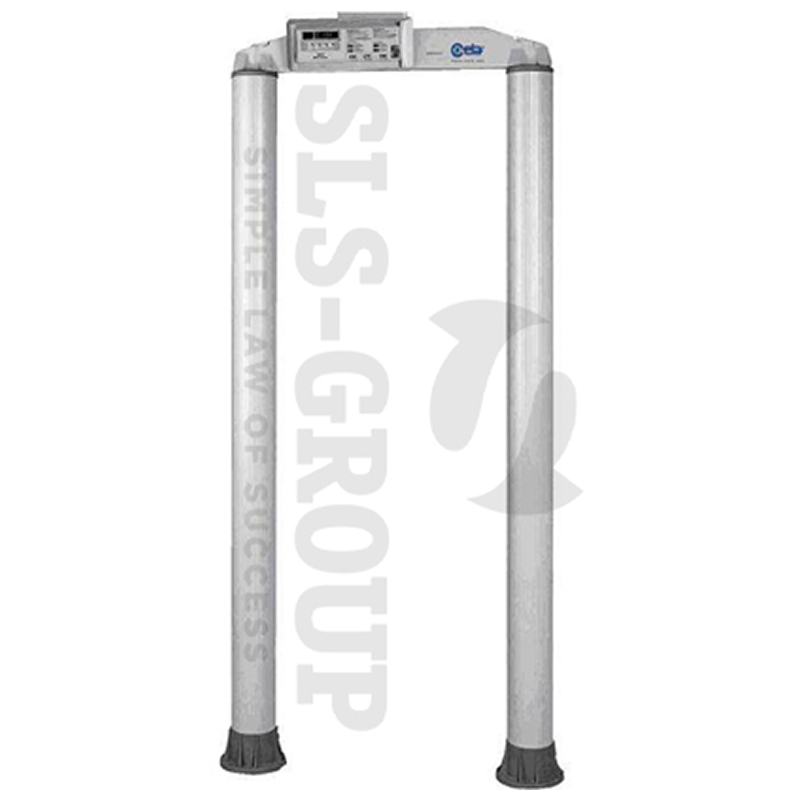
If the single-zone detector reacts, the guard will have to additionally check the person with a hand-held device to determine exactly where the metal is hidden. When a person with a metal object passes through a multi-zone device, a signal is triggered at the location where the metal is. The indicator light comes on there, so no additional check is required. One device can have from 3 to 64 zones, which allows you to make them even more accurate.
Handheld detectors
Handheld detectorswork on the same principle, capturing metal vibrations thanks to an electromagnetic field. The frequencies of metal detectors are the same; they have only one detection zone. They are used as additional verification tools if accurate identification cannot be made through an arch metal detector. The devices operate from a built-in battery.
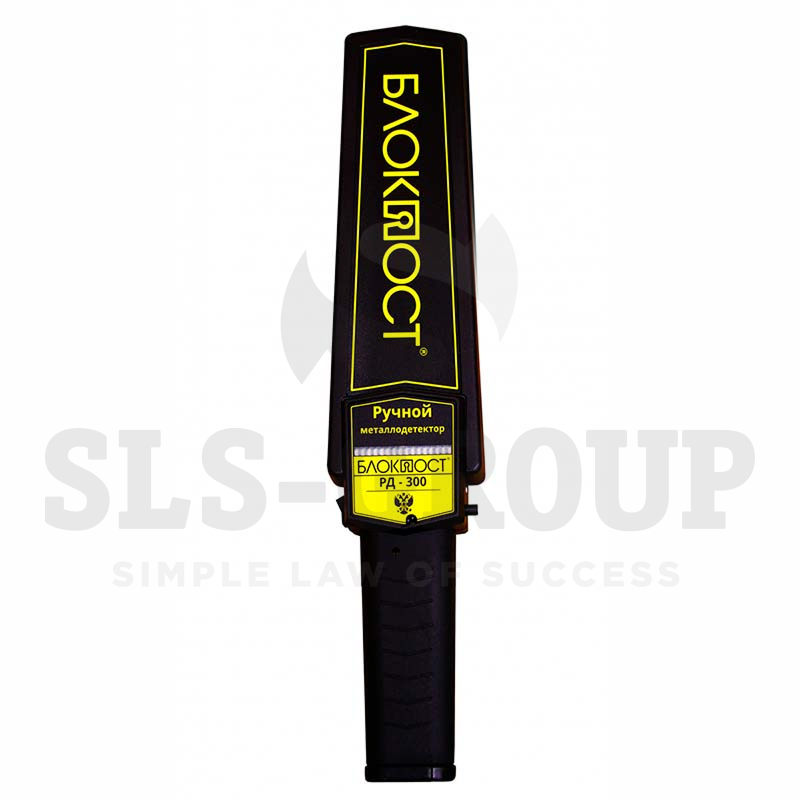
Sensitivity depends on the model and price. You can always adjust it manually or select automatic settings. The battery life depends on the size of the built-in battery.
Metal detector throughputs
The main parameter is throughput. You can view this parameter in the technical data sheet of the device. The average is 50-60 people per minute. The passage speed depends on various factors, so actual performance may be much lower than the reference value specified in the device passport.
Throughput is affected by:
- false positives;
- additional checks;
- repeated passes.
У multi-zone detectorshigher throughput thansingle-zone, since the need for additional checks and repeated passes is reduced.
Selectivity
The ability to accurately determine a metal is called selectivity. This parameter is regulated by GOST. All devices must be customizable, and also be able to distinguish metal from non-metal by mass, impulses, and other characteristics.
More advanced, expensive models have microprocessors with built-in software. Thanks to this, developers are able to embed programs and algorithms that increase the efficiency of recognizing metal objects.
Health effects
There is a lot of controversy surrounding metal detectors regarding safety. The most worrying question is whether the devices affect human health, since some categories of citizens are allowed not to undergo screening through the frame - pregnant women, children and disabled people with pacemakers and other implants.
Modern devices use low-frequency electromagnetic pulses. The operating frequency of the metal detector is from 10 to 300 KHz. The same ones are used in radio communications. They have low power, which is not enough to cause irreparable harm to health. In addition, passing through the arch takes no more than 2 seconds.
Why are pregnant women and children allowed to bypass a metal detector if it is safe? This is nothing more than a preventive measure. People with pacemakers and other electronic devices are exempt from undergoing this type of testing, as the device will react to the implants.