
Introscopes in baggage and cargo inspection systems: from operating principles to selection criteria
Page navigation:
What is an introscope?
How an introscope works: design features
Where are introscopes used?
How does an introscope work?
What does the introscope see and show?
Is an introscope harmful to human health and does it affect the properties of inspected objects?
What types of introscopes are there: the main types of X-ray inspection systems
What are the main advantages of introscopes?
How to choose an introscope?
Requirements for installation and operation of X-ray television introscopes
Common mistakes when using introscopes
How are AI technologies used in introscopes?
SDT introscopes – inspection equipment systems with advanced equipment and functionality
Frequently asked questions and answers
Introscopes are a key element of modern security systems. They allow you to quickly and without opening the contents of luggage, cargo and parcels. In this article we will talk about the design, operating principle, main types and functions of the equipment, and also introduce the X-ray television installations available for order from our company.
What is an introscope?
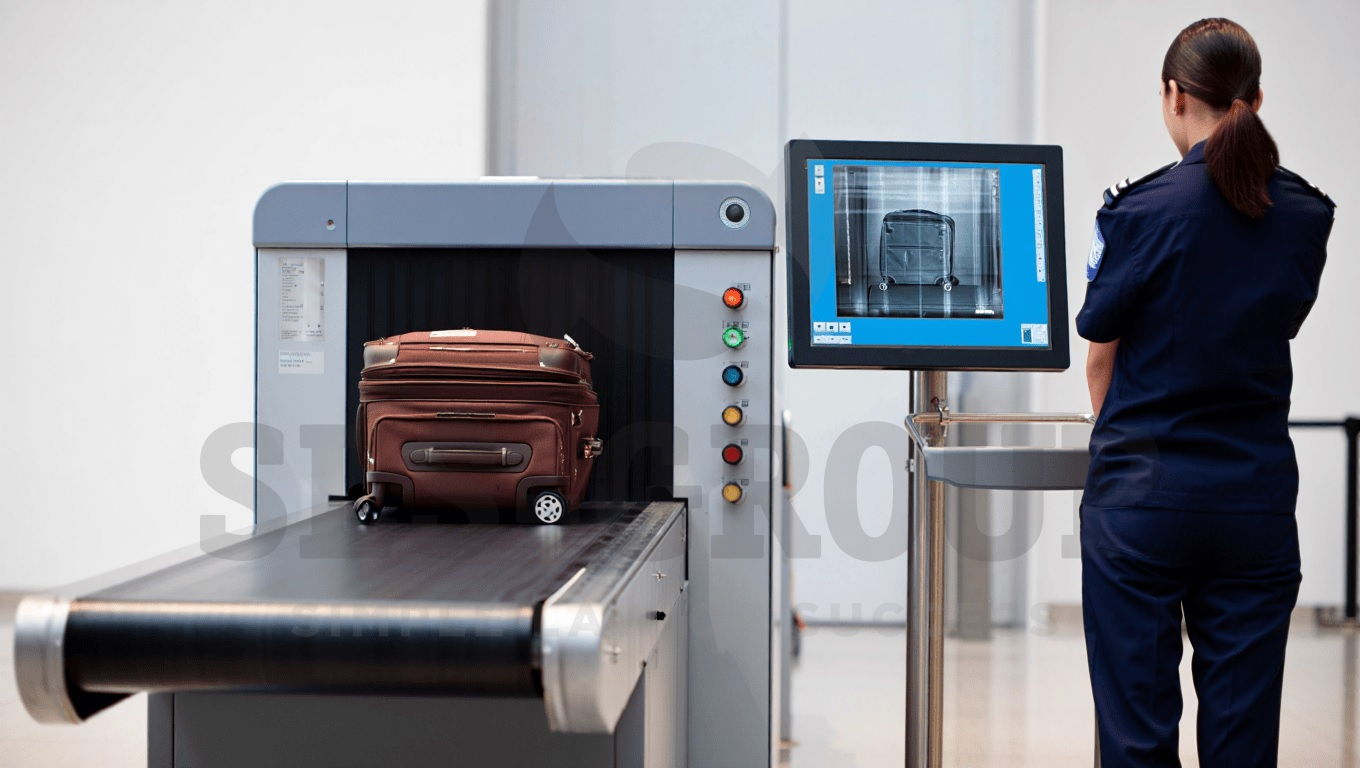
This is the name of one of the types of X-ray television inspection equipment. If we describe its work in simple words, we can say that it allows you to study the internal contents of luggage, parcels and cargo in a non-contact manner without opening it. Using X-ray radiation, the device generates an image in which you can see the structure of objects inside the object and determine their type. This way you can quickly find a variety of prohibited and dangerous items: drugs, TNT and other explosives, weapons and much more.
The main value of X-ray television screening technology is that it allows you to quickly check large volumes of hand luggage, baggage or cargo without detaining people. Therefore, introscopes are found wherever it is necessary to ensure security and not create queues, for example, at train stations, in the metro, at customs, at public events, in institutions with special access regimes (courts, prisons, administration buildings, schools, etc.), in enterprises, in warehouse complexes, etc.
How an introscope works: design features
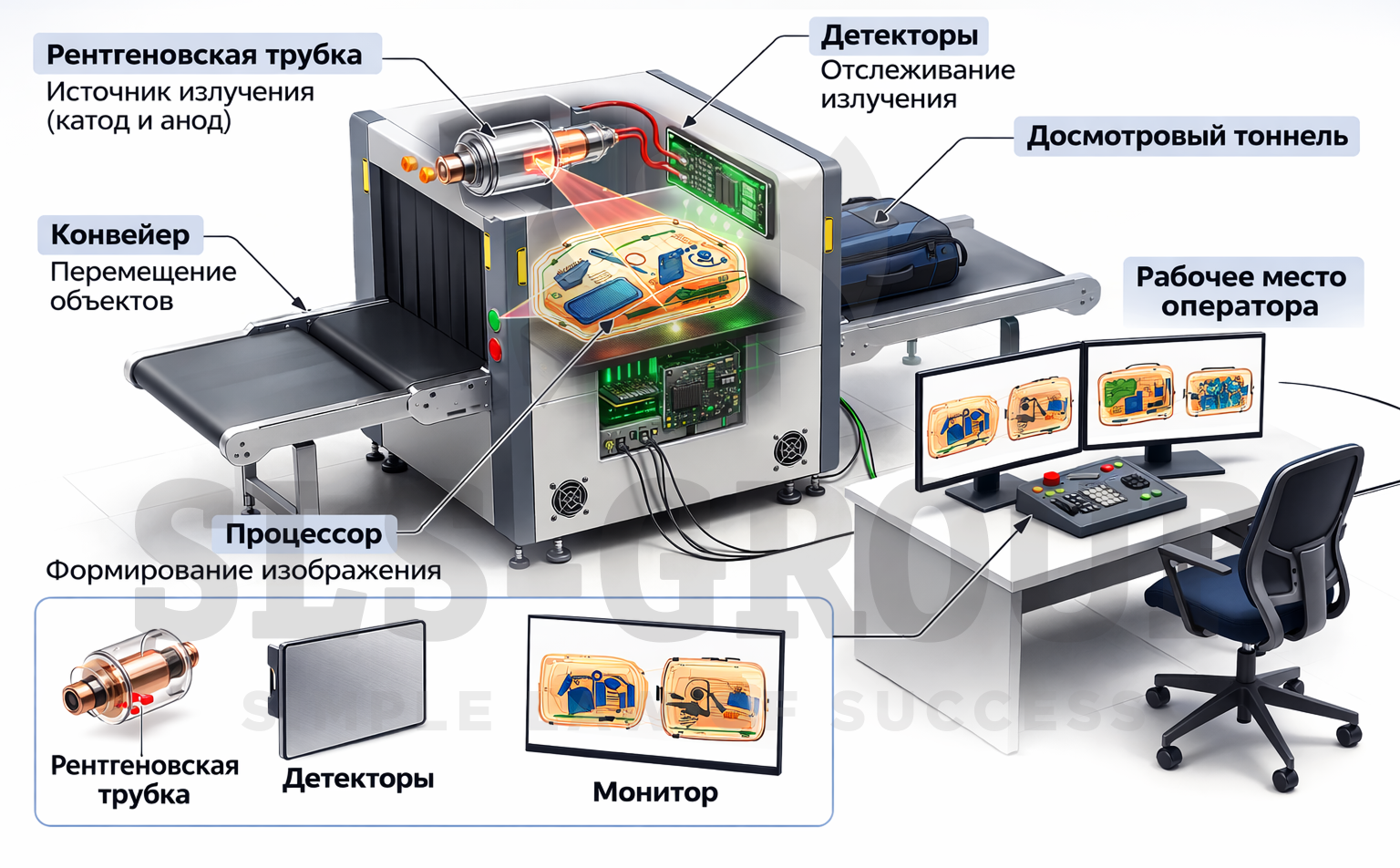
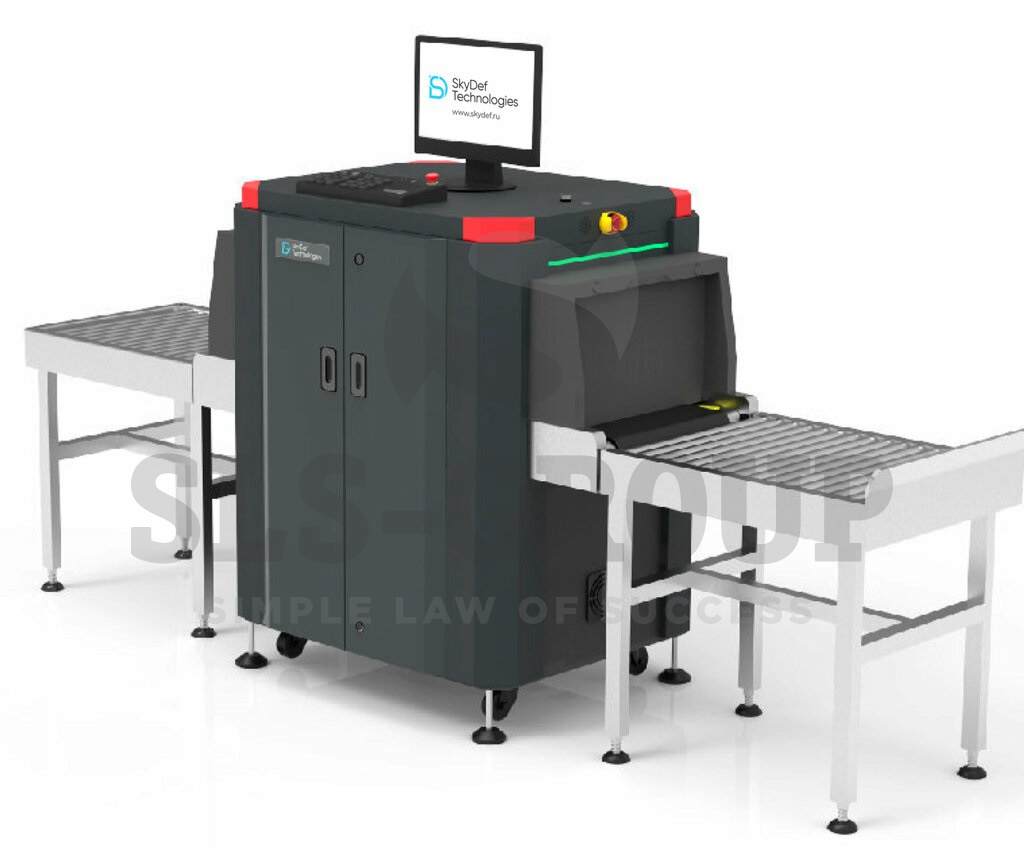
The main elements of any introscope are:
- X-ray tube - a radiation source, which is a vacuum flask with a cathode and anode inside;
- detectors to monitor residual radiation;
- processor for image formation and transmission of the image to the monitor;
- conveyor for moving objects through the tunnel;
- inspection tunnel - a closed chamber in which inspection is carried out;
- operator's workstation with control panel and monitor.
Introscopes can also have cameras with different viewing angles for photo and video recording, systems for automatically starting and stopping the conveyor, UPS and other additional options.
Where are introscopes used?
As we said above, X-ray inspection systems are used where it is important to quickly check the contents of a large number of objects, maintain a high level of security, without forcing people to stand in line.
Transport
The equipment is used to inspect suitcases, bags, backpacks and other baggage and hand luggage of passengers in the subway, at railway and bus stations, and at airports. The inspection takes only a few minutes and takes place without violating confidentiality. Most often, inspection points are installed at the entrance to a station or airport, at places where suitcases and bags are dropped off at the luggage compartment, as well as at points of passage to the departure area or platform.

The introscope helps to identify dangerous and prohibited objects even before a person enters the landing zone or transport. With their help, they detect not only explosives or drugs, but also, for example, liquids that cannot be taken on board an airplane in hand luggage.
Customs
At customs, inspection systems are used to check luggage that people transport across the border, postal items, and various cargoes. The equipment helps to find contraband, weapons, explosives, drugs, and undeclared goods. Usually at customs they install introscopes with a large inspection chamber and high power, since they have to inspect not bags and suitcases, as in the metro or airport, but large objects, for example, pallets with goods.
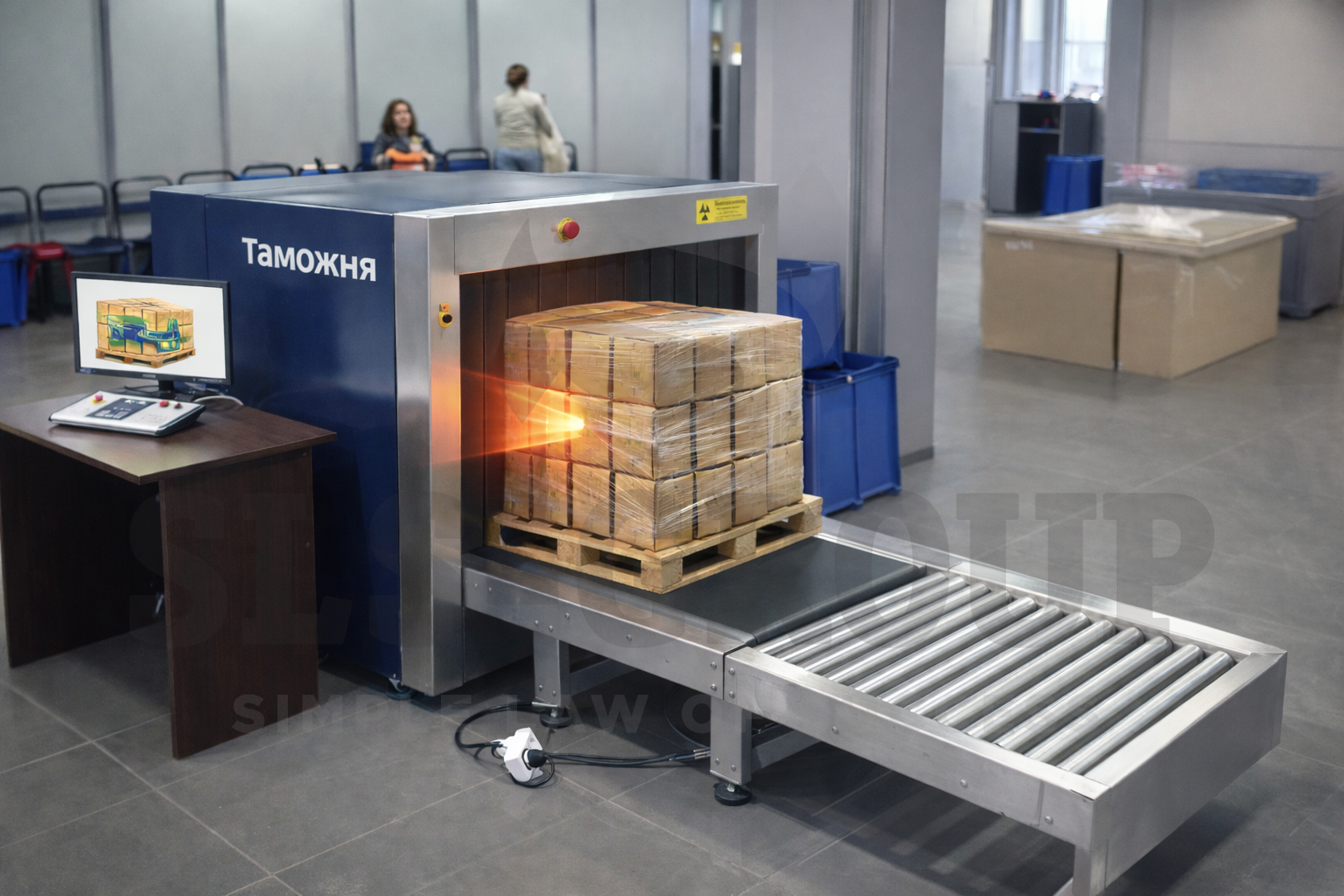
This check speeds up the operation of services. Suspicious objects are identified without opening luggage, which reduces the burden on employees and increases the efficiency of control. Only suspicious objects are opened and carefully checked manually.
Crowded places

X-ray inspection systems are used to check bags and carry-on luggage of concert visitors,sports competitions, exhibitions, fairs, etc. Equipment is most often installed at the entrances to buildings or areas to control the hand luggage of all visitors or only those who seemed suspicious to the security checkpoint staff.
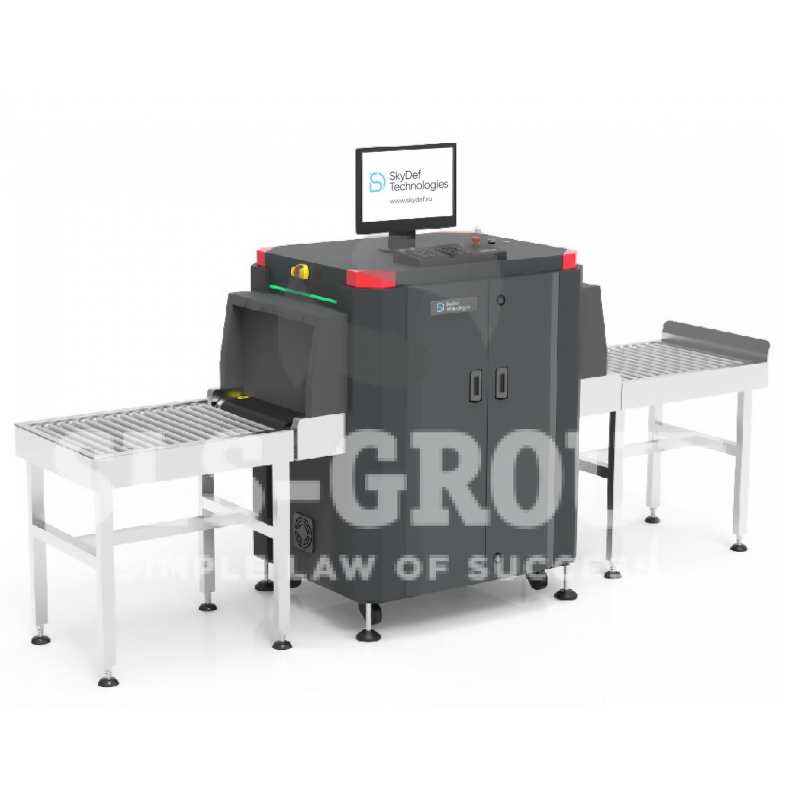
This system allows for timely identification of dangerous objects, reducing risks for visitors and staff. Due to quick checks, the equipment helps maintain stable operation of facilities with a large flow of people and does not create queues, as happens with manual inspection.
Objects with special access mode
Introscopes are used to protect court buildings, prisons, banks, government agencies, medical and educational institutions. With their help, they prevent the bringing of weapons and other prohibited items into the territory of the facility in order to protect visitors and employees from criminal acts. In modern conditions, such measures are becoming part of the standard facility protection system.

Enterprises
In production, inspection systems are used not only to ensure security, but also to control the movement of material assets. With their help, it is possible to stop attempts by visitors or staff to steal raw materials, components, and products. At the same time, introscopes prevent dangerous objects from entering the territory that could affect the safety of production and its employees.

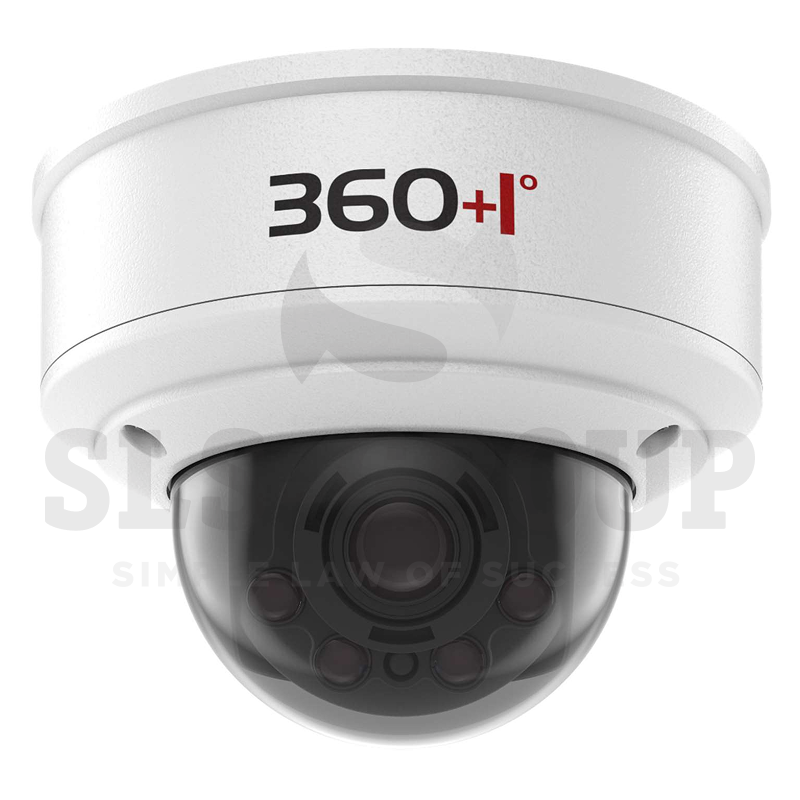
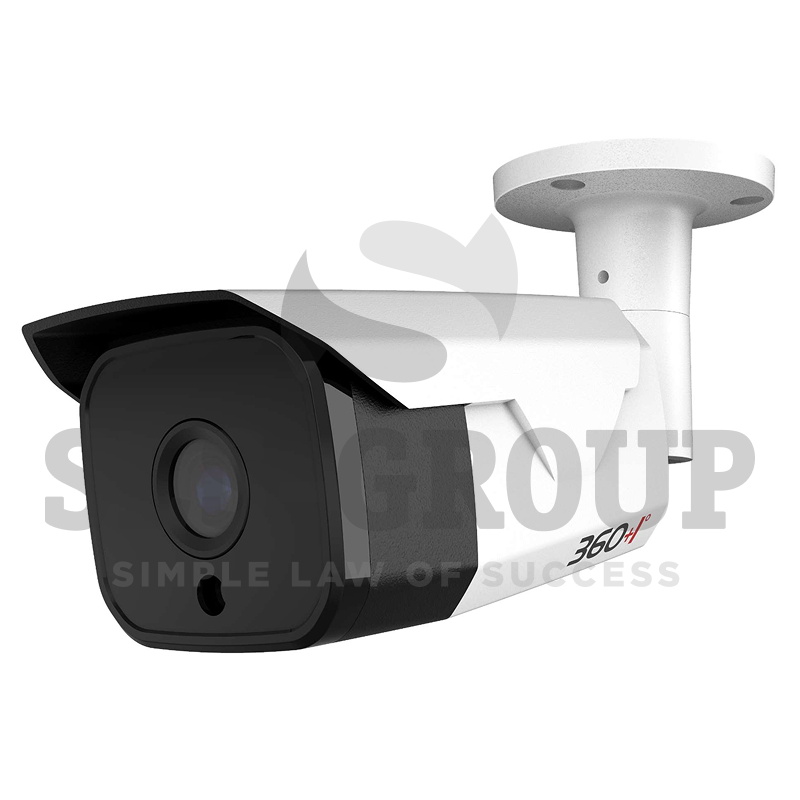
Often at enterprises, introscopes are integrated into the overall security and access control system and work in conjunction with video surveillance, access control systems, and alarm systems.
How does an introscope work?
The operating principle is based on x-ray radiation. When an object passes through the camera, the rays pass through, and denser materials block them more. Detectors capture the remaining radiation and the system generates a digital image that is displayed on the operator's screen.
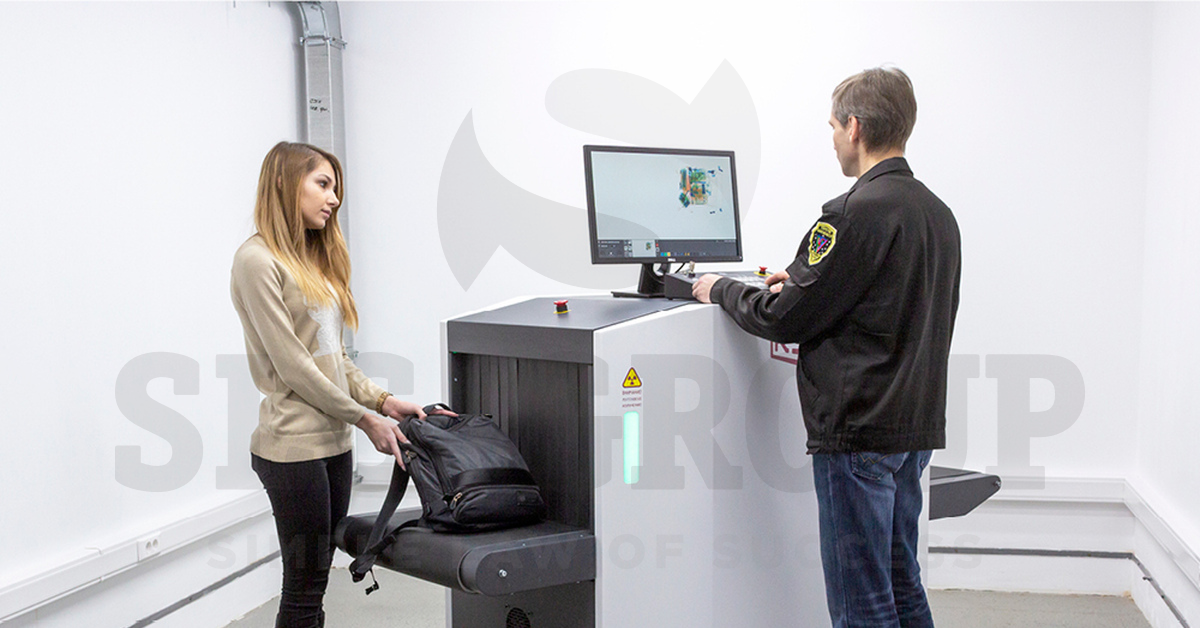
For the passenger, the process looks simple: the luggage is placed on the conveyor, after a minute it comes out from the opposite side of the introscope.
In order for the operator to quickly determine the presence of prohibited items, color separation of materials is used. The system highlights liquids, metals and suspicious areas. The image can be enlarged and processed for more detailed analysis. If a dangerous item is suspected, a manual inspection is carried out.
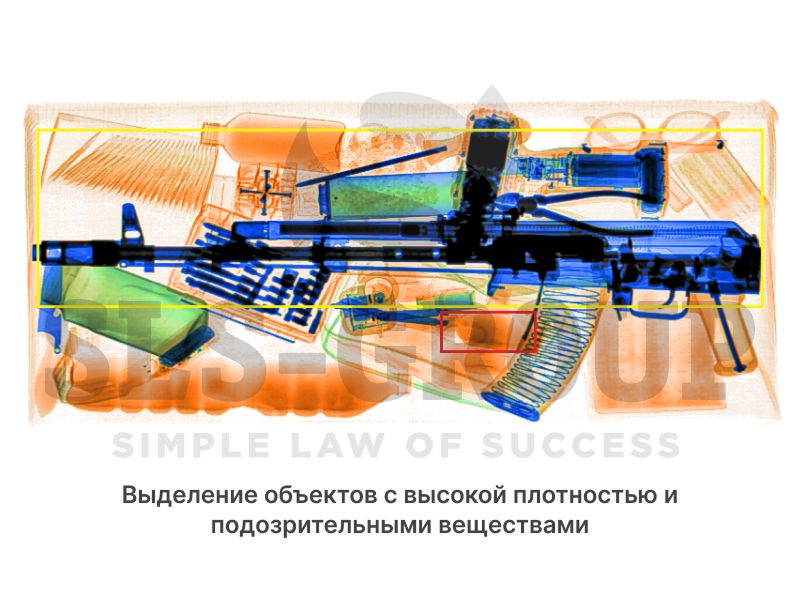
The image can be enlarged and processed for more detailed analysis. If operators suspect that a bag or suitcase contains prohibited items and substances, the baggage and its owner are sent for a thorough manual search.
What does the introscope see and show?
An inspection system with an X-ray source determines the density of the material and, based on this data, assigns them to certain groups. It can be used to detect metals, organic materials, inorganic substances, liquids and gels, and dense organic compounds. Also, empty and hidden (for example, using foil or lead plates) cavities are displayed on the operator's screen.
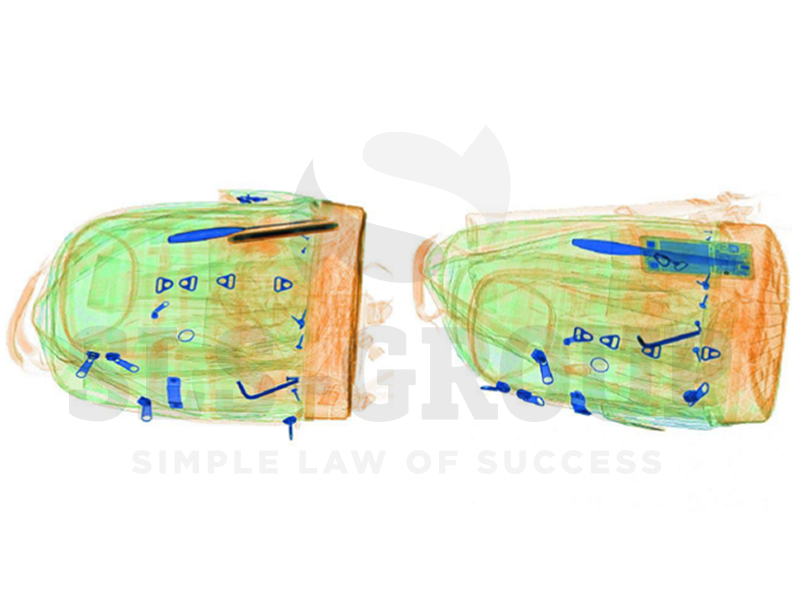
Is an introscope harmful to human health and does it affect the properties of inspected objects?
Modern inspection systems are completely safe. X-raying of luggage is carried out in a hermetically sealed chamber. To prevent visitors and staff from being exposed to radiation, the inspection tunnel is closed on both sides with protective curtains. Thus, radiation affects only objects. However, it does not change the properties of food, medicine or electronics.

If you leave a power bank, laptop or smartphone in a bag that will be searched, they will not stop working. Photo and video films in modern introscopes are also not exposed to light.

You can safely send food (eggs, dairy products, bread, meat and fish, etc.), cosmetics, and medicines for inspection - their properties will not be affected. The radiation dose during a single inspection is approximately 10 times less than during a chest x-ray.

It is also important to know that to ensure the safety of personnel and people being examined, the level of X-ray radiation in the area where the introscope is installed is regularly checked, and the equipment itself undergoes periodic maintenance.
What types of introscopes are there: the main types of X-ray inspection systems
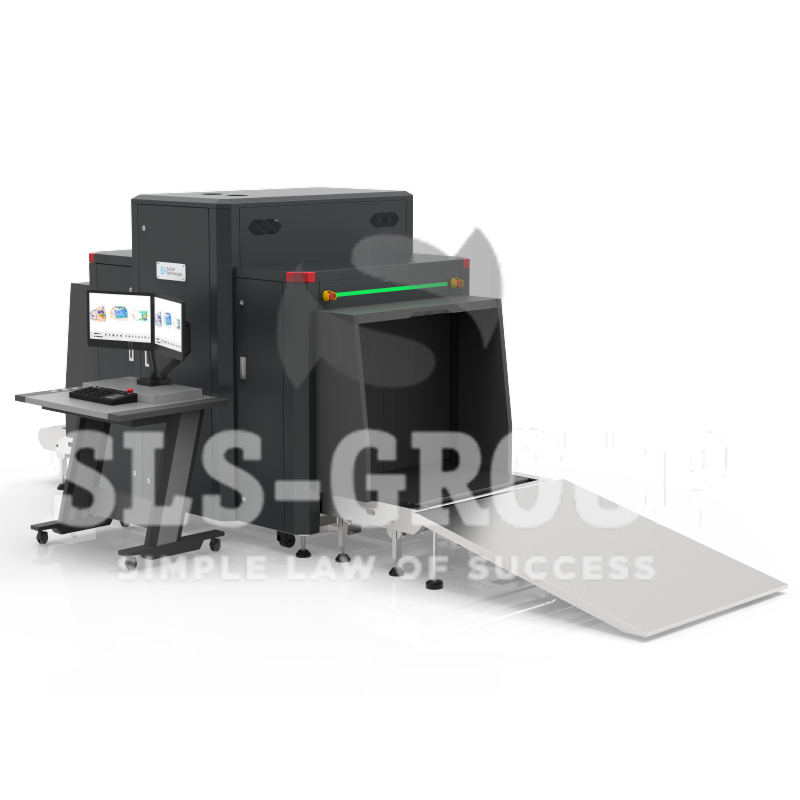
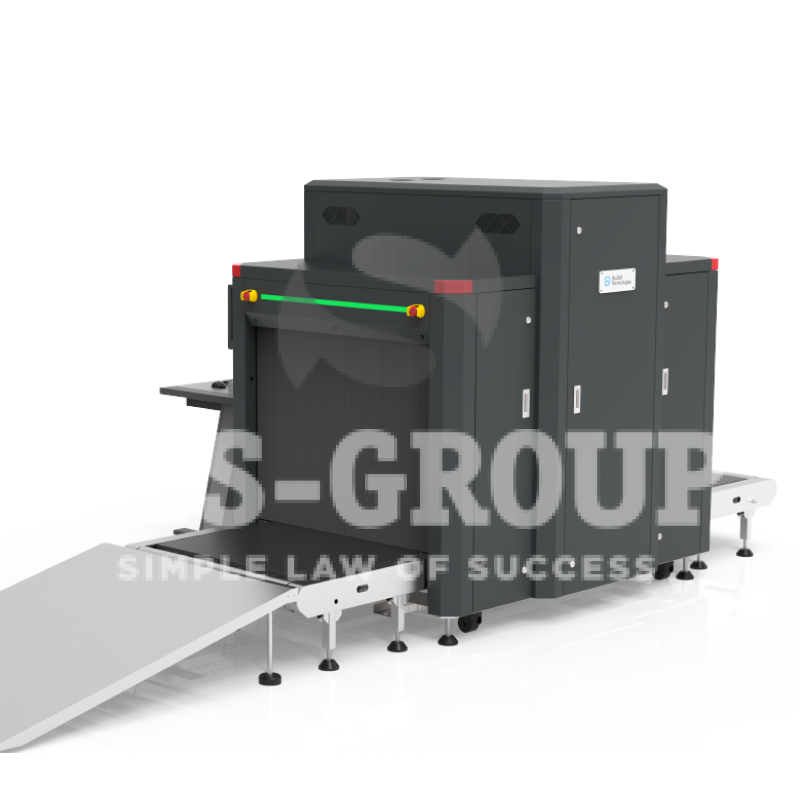
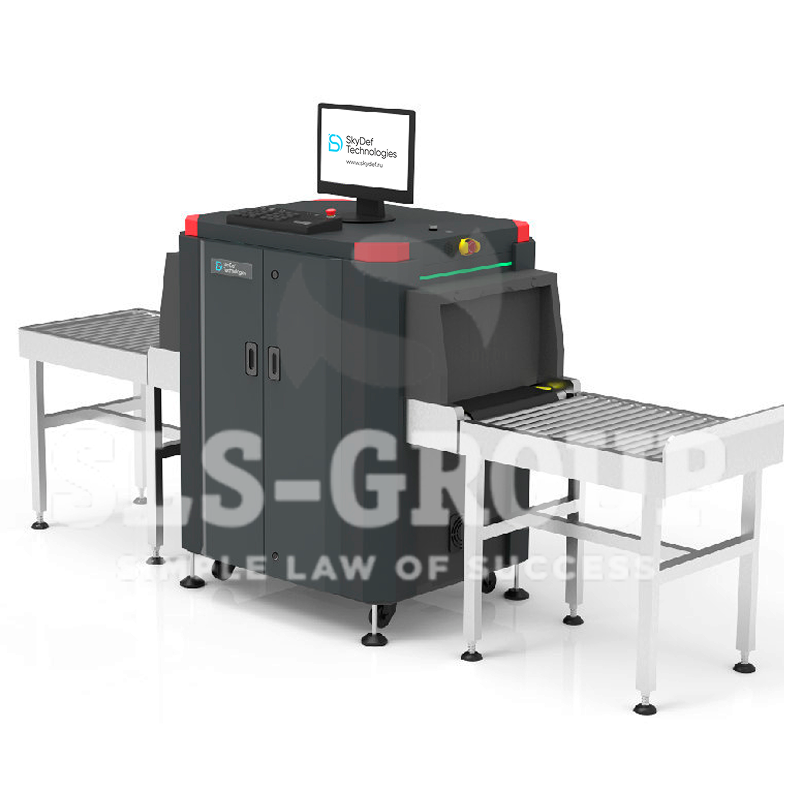
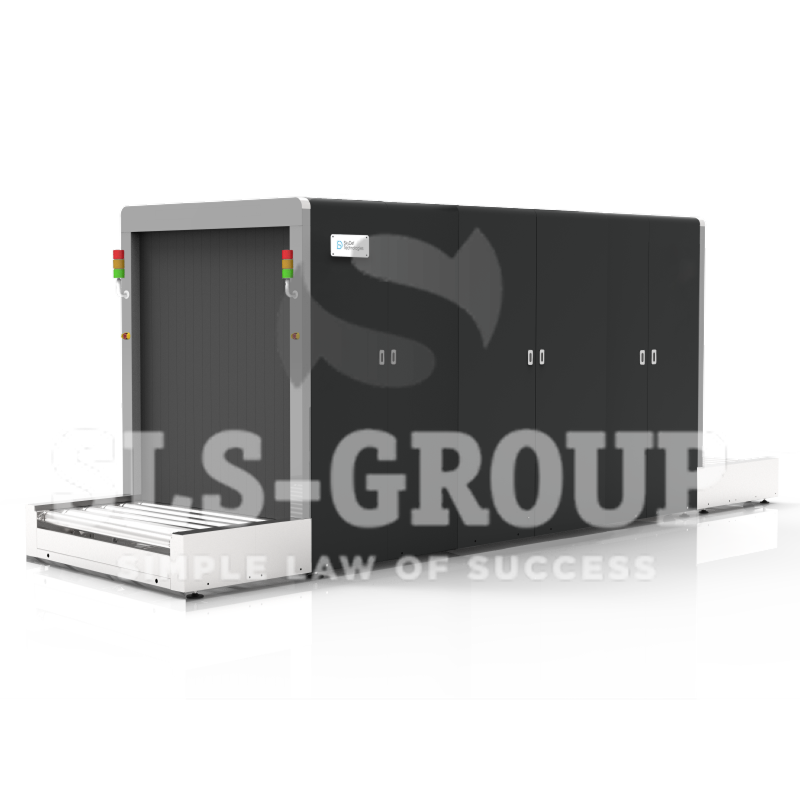
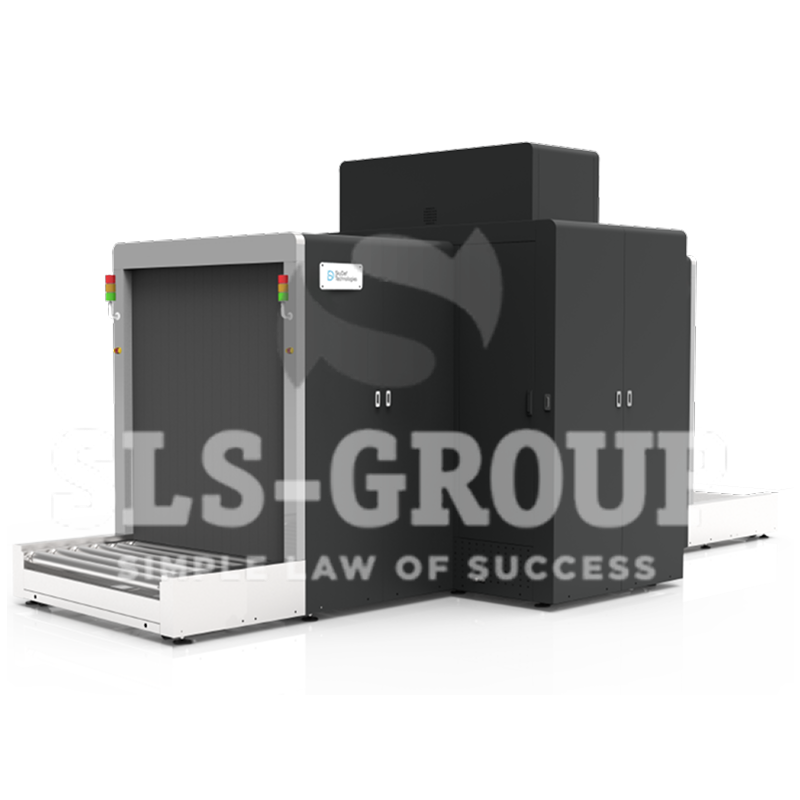
By their design, introscopes can be stationary, portable, inspection and inspection complexes and mobile inspection and inspection complexes.Stationary introscopesare installed where inspections need to be carried out regularly, for example, atcustoms pointsortrain stations.
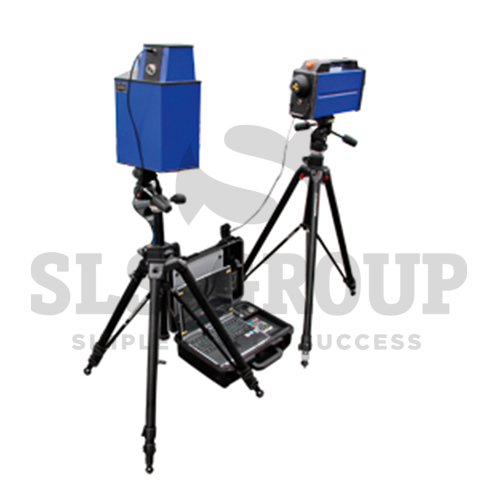
Portable introscopessuitable for places where there is no permanent inspection zone, for example, in places of public events or where quick on-site control is needed.
Inspection and inspection complexes (IDC)are large-sized systems for monitoring vehicles, containers and cargo without opening them. They are used at customs terminals, logistics hubs and strategic sites for high-throughput due diligence.
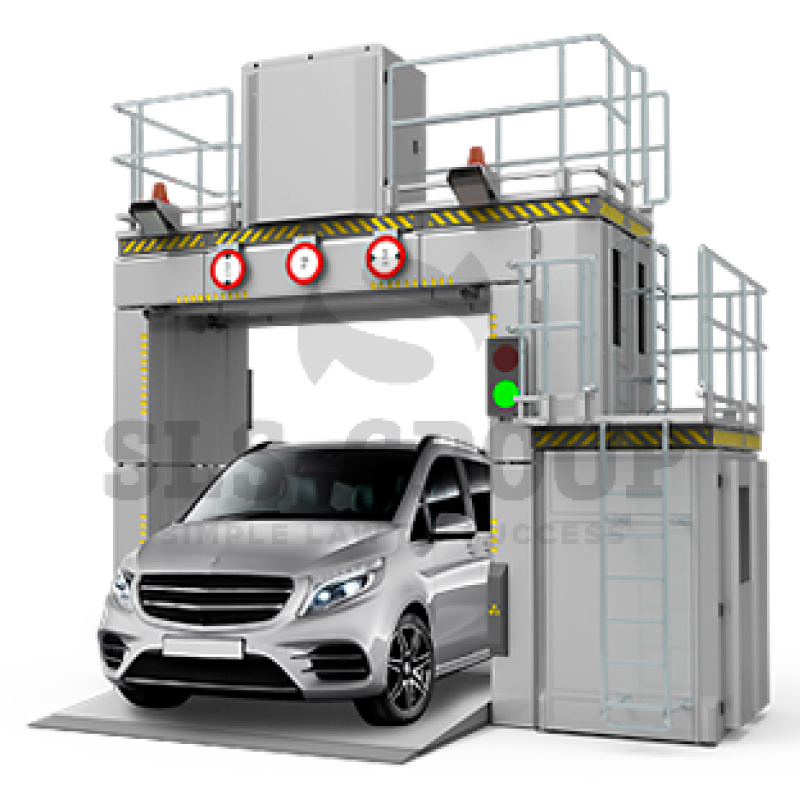
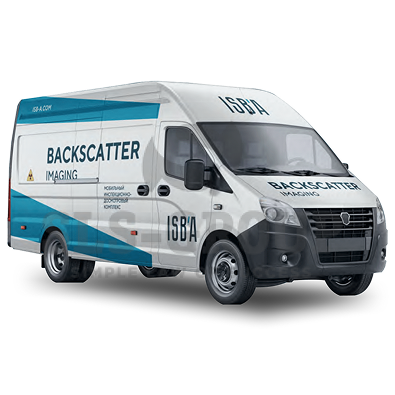
Mobile inspection and inspection complexes (MIS)are placed on a vehicle chassis or in mobile modules and allow inspection in the field. Such complexes are used for operational control at temporary checkpoints, when strengthening security measures and as part of on-site inspections.
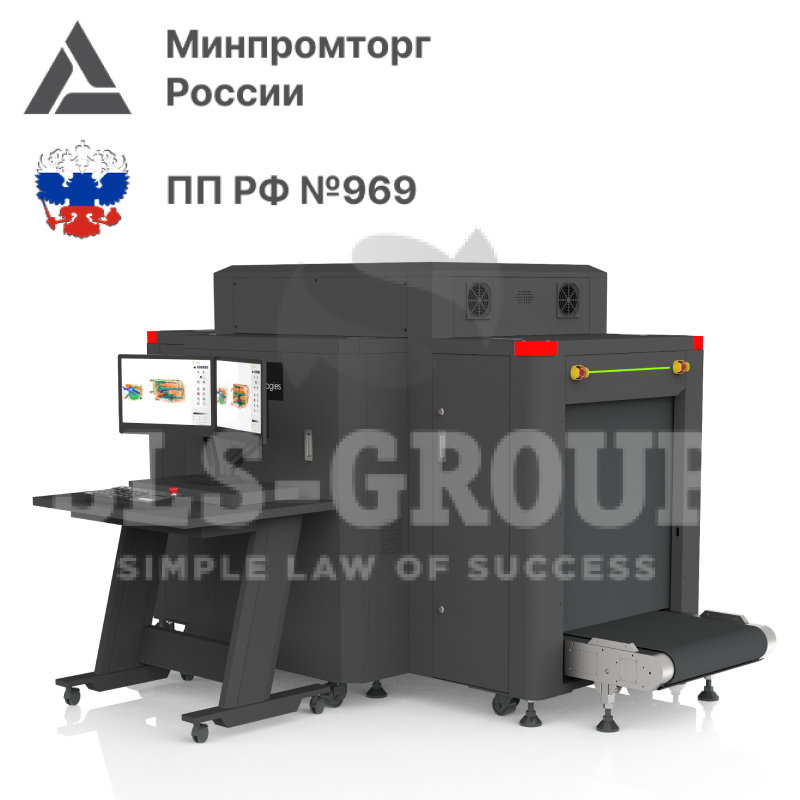
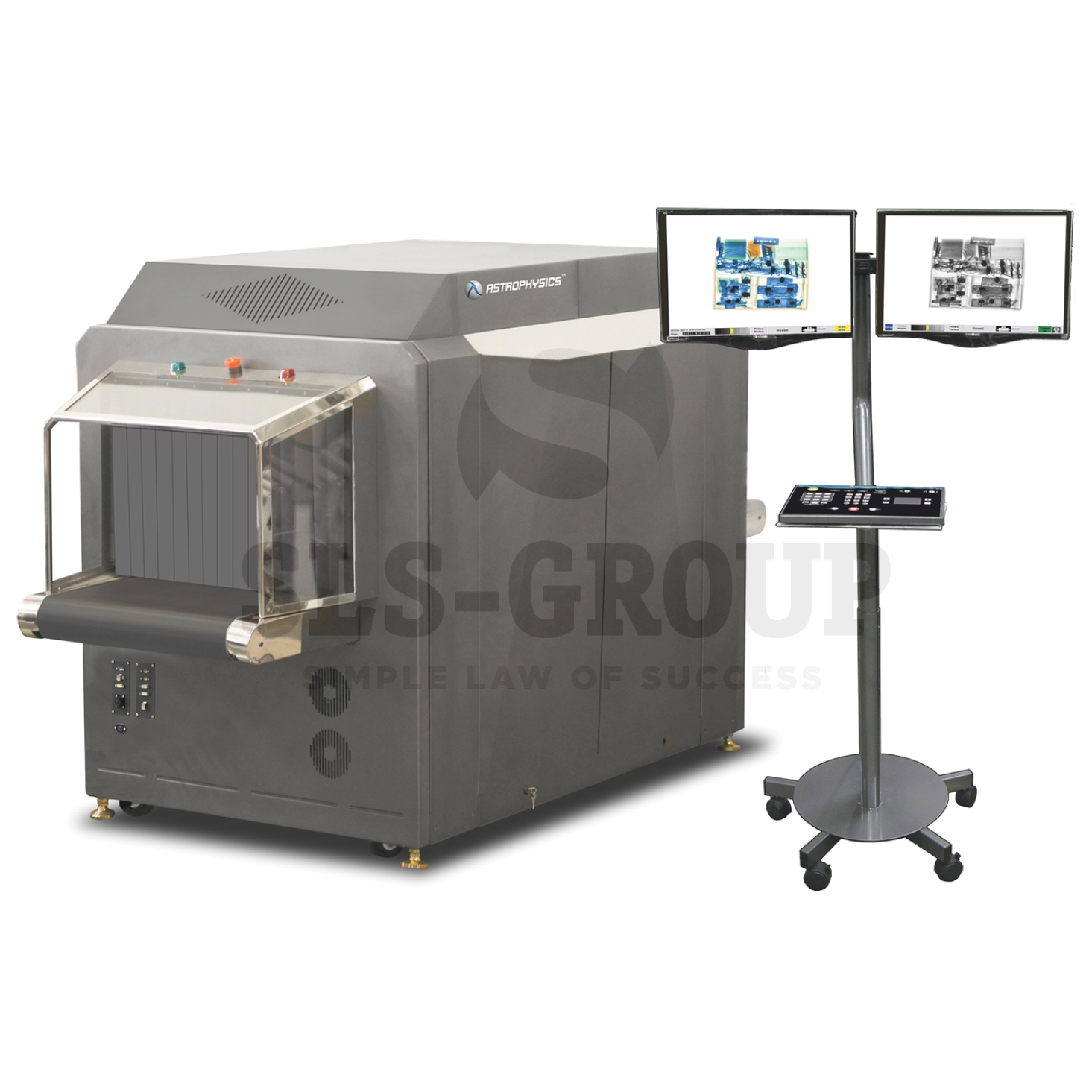
As for the principle of operation, the main difference between the models from each other is the type of scanning system. It can be one-, two- or multi-projection. For clarity, we have collected the features of such systems in the table.
| Introscope type | Example models | Features of work | Where is it used? |
|---|---|---|---|
| Single projection systems | SDT 5030 SDT 6040 SDT 7555 S SDT 7080 SDT 100100 S SDT 150150 |
They form an image of an object from only one angle. These are simple and reliable devices that provide quick, basic control of baggage contents without complex analysis. Suitable for tasks where speed is important and the requirements for scanning depth are low. | Educational institutions, small businesses, low-risk events |
| Bi-projection systems | SDT 7080D SDT 150150 D SDT 150180 D |
They scan an object from two different sides, which allows you to get a more complete picture of the contents. This approach reduces the likelihood of missing hidden objects and increases recognition accuracy. Used where more careful control is required. | Transport facilities, stadiums, banks, large enterprises |
| Multi-View systems | Astrophysics "VI7" | They create a three-dimensional image by scanning from several angles, which allows you to analyze the structure of objects in detail and identify even well-hidden or small elements. Provides maximum levels of control and precision. | Airports, government agencies, nuclear power plants |

What are the main advantages of introscopes?
This type of inspection equipment has many advantages over manual inspection and other types of equipment. The main ones include:
- High inspection accuracy. X-ray radiation penetrates luggage, allowing the detection of weapons, explosives, drugs and other dangerous materials, including camouflaged items. Modern image processing algorithms provide detailed and clear images to quickly identify suspicious objects.
- Safety for people and things. Introscopes are designed to eliminate exposure to radiation outside the installation. The tunnel is protected by curtains made of polymers and metals, and the chamber itself is made of metals that do not transmit x-rays (usually lead). Operators do not need protective clothing, and people and personnel being searched are not at risk.
- Speed and efficiency of inspection. Modern introscopes are equipped with powerful computing systems and algorithms to process large volumes of luggage in a matter of seconds. This reduces the time it takes to check each object and increases the throughput of checkpoints.
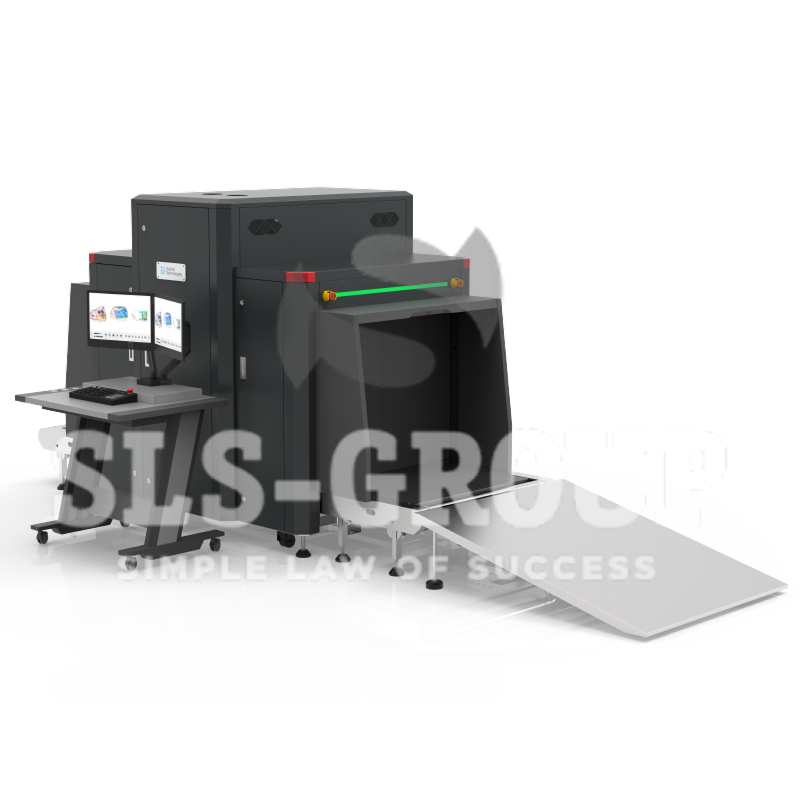
Introscopesreduce the risks of terrorist acts, crimes, illegal trafficking of hazardous materials, violations of internal rules of enterprises, government agencies, transport hubs, creating a calm and safe environment for people.
How to choose an introscope?
When choosing an introscope, it is important to take into account the operating conditions, inspection tasks and features of the facility where the equipment will be used. Assessing key parameters helps you select a device that will ensure stable and effective operation of the security system.
Before you buy an introscope, it is important to determine its basic parameters. These include:
- Tunnel size. It determines which objects can be checked. The parameter must correspond to the dimensions of luggage, parcels or other items. A tunnel that is too small will limit inspection capabilities, while a tunnel that is too large can reduce convenience and efficiency.
- Scan speed. Affects inspection throughput. High speed allows you to check objects faster and reduces the risk of queues in places with a large flow of people or goods.
- Image resolution. This parameter is responsible for detailing the display of object contents. The higher the image quality, the easier it is to detect suspicious objects and potential threats.
- Construction type. Determines the features of installation and operation of equipment. The design must comply with the location conditions, available space and operating mode of the facility.
- Possibility of integration into a security system. Allows you to combine the introscope with other control tools. This helps create a unified security system and simplifies the management of inspection processes.
- Software. The capabilities of image processing, control of settings, speed of data analysis, system stability and operator comfort depend on it.
You should only buy equipment from companies that provide servicing. Regular maintenance allows you to timely identify and prevent malfunctions, extends the life of the device, and guarantees the safety of personnel and visitors.
It is equally important to take into account the requirements of legislation and sanitary standards. This is necessary for the legal operation of the equipment and compliance with established safety and control regulations.
Requirements for installation and operation of X-ray television introscopes
For proper installation and operation of the equipment, it is important to comply with the rules established by law and regulations. Organizations that use introscopes are required to:
- Sanitary report. Before installation work, it is necessary to obtain official permission from sanitary authorities. The document confirms that the premises and operating conditions comply with safety standards for people and the environment.
- License for III. The use of X-ray sources requires official permission to operate them. A license ensures that the device is installed and used legally and that personnel have received appropriate training.
- Installation only by a specialized organization. Equipment installation should be performed by qualified personnel experienced in operating X-ray systems. This minimizes the risk of equipment damage and safety violations.
- Personnel training. Screening area operators and technicians must undergo special training that includes operating the introscope, recognizing potential threats, and complying with radiation safety regulations.
- Radiation dose control. It is necessary to regularly measure the level of X-ray radiation in a room to ensure that it is safe for people. Monitoring systems allow timely detection of deviations and prevention of possible risks.
- Regular maintenance. Equipment must undergo scheduled maintenance. This includes checking the operation of all components, updating software and preventing wear, which ensures stable and safe operation of the introscope.
Common mistakes when using introscopes
Improper operation of inspection equipment reduces the quality of scanning, accelerates wear of the introscope and can lead to costly repairs. You should not make common mistakes when working with it:
- Neglect preparation for launch. Skipping the warm-up, voltage check, and calibration steps will accelerate X-ray tube wear, cause electronic failure, and reduce image accuracy.
- Violate operating conditions and overload equipment. Long-term operation without interruption leads to overheating of the tube and detectors, cooling problems and deterioration in scanning quality.
- Ignore requirements for operating conditions. High humidity, dust, temperature changes and unstable power supply will shorten the life of the system.
- Avoid regular maintenance. Dirty optics and detectors degrade images, dust accelerates mechanical wear, and static electricity can damage electronics.
- Try to repair the equipment yourself. Unqualified intervention is fraught with loss of warranty, serious malfunctions and violation of radiation safety standards.
Regular maintenance helps identify potential problems before they become serious problems, trains personnel in proper operation, and maintains technical documentation.
It is important to inspect and clean equipment daily, check functionality and perform calibration at least once a month, and perform diagnostics of major systems once a quarter. Comprehensive maintenance with replacement of consumables is usually carried out once a year or more often.
How are AI technologies used in introscopes?
Modern security systems require high speed and accuracy of threat detection. Therefore, artificial intelligence technologies are increasingly being integrated into introscopes. They are needed to automate image analysis, reduce the burden on operators and increase the overall level of protection.

The introscope creates an image of the contents of luggage using x-rays. Before the era of AI, the operator had to interpret it independently, which was fraught with errors due to insufficient experience, fatigue, and loss of concentration. Nowadays, part of this task is performed by AI-based systems. Machine learning algorithms are trained on large sets of images of both safe and dangerous objects. Due to this, they are able to recognize signs of possible threats. During the scanning process, the system automatically analyzes the resulting image, and if a suspicious object is detected, it alerts the operator. This speeds up inspection and reduces the likelihood of errors.
Integrating artificial intelligence into inspection systems has many advantages:
- Automation of routine work. Operators can focus on complex tasks and make decisions based on system recommendations. This reduces fatigue and stress levels and increases work efficiency.
- Reducing the human factor. Fatigue or lack of experience may result in dangerous items being missed. The algorithms are able to consistently recognize objects and find signs of threats even under high load. This is especially important in places with a lot of people.
- Almost instant data analysis. The operator receives notifications about a possible threat immediately after scanning, so he can make decisions faster and quickly respond to dangerous situations.
- Continuous improvement of machine learning algorithms. Systems are continuously updated and adapted to new types of threats. This helps respond to changes in smuggling and terrorism practices.
With the development of AI technologies, it will be possible to create increasingly compact and mobile devices. They will be able to work in conjunction with other security systems, such asCCTV cameras, equipment for reading biometric data. And cloud technologies and the Internet of Things make it possible to combine introscopes into networks so that they can exchange information with each other and learn online. This will improve the efficiency of threat detection and the speed of response to new risks.
SDT introscopes – inspection equipment systems with advanced equipment and functionality
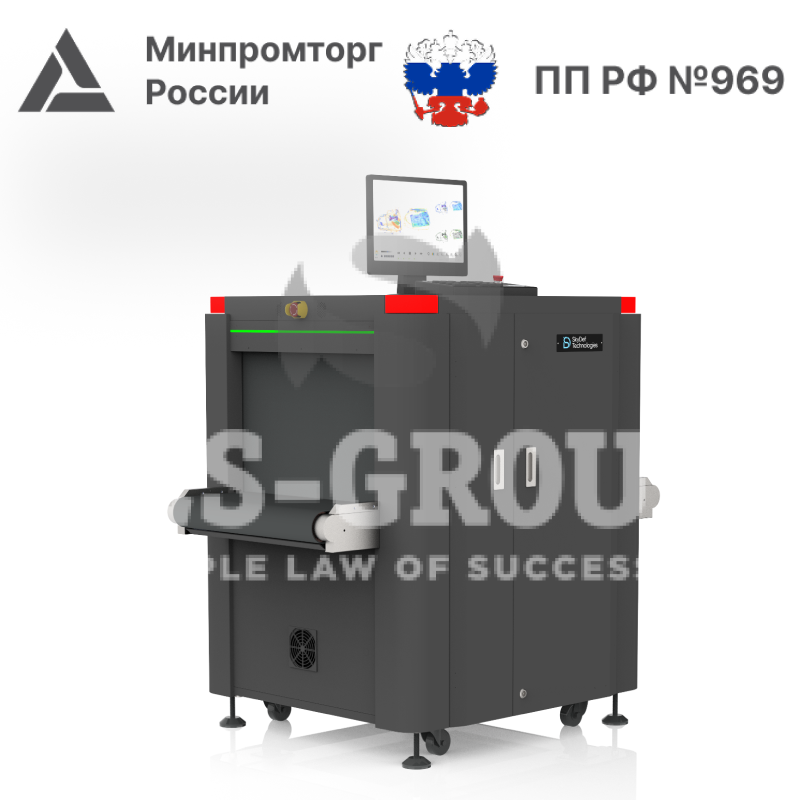
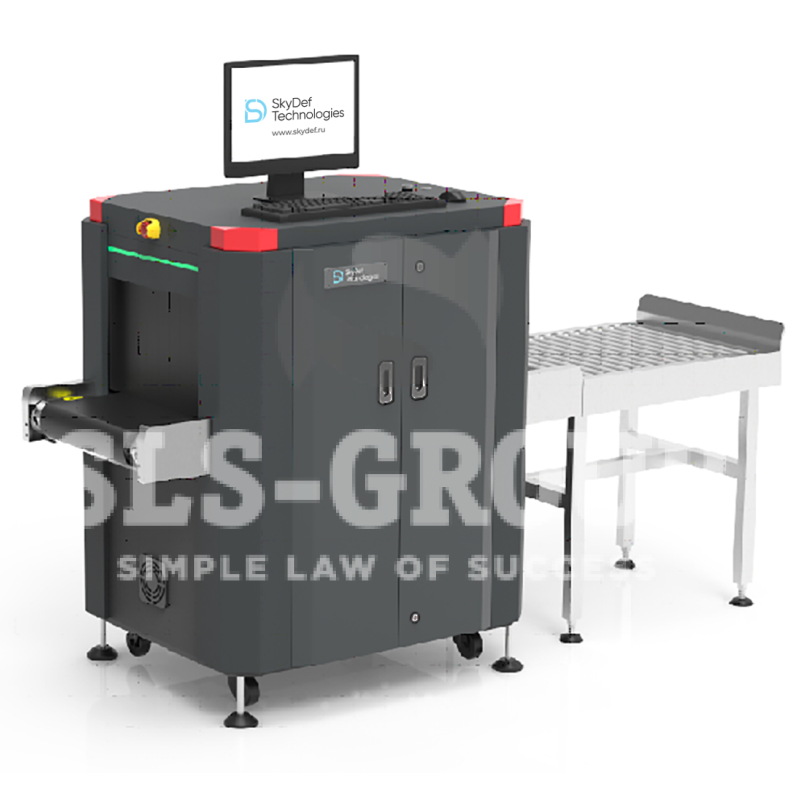
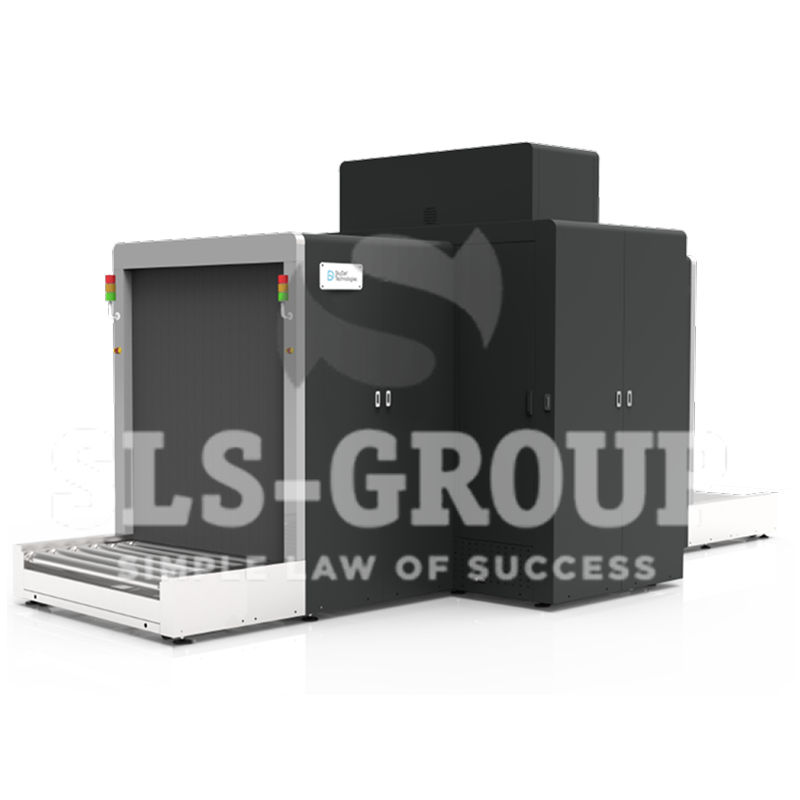
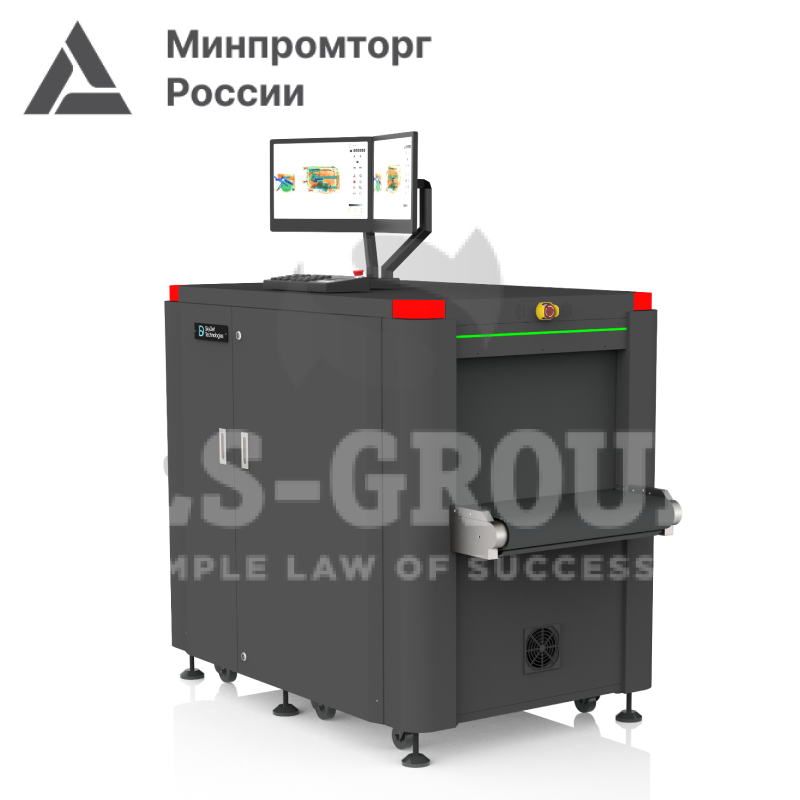
With us you canbuy SDT introscopesare modern X-ray television inspection systems designed for effective inspection of luggage, parcels and other objects. They are distinguished by advanced functionality, high accuracy of analysis, safety and compliance with all regulatory and legislative requirements.
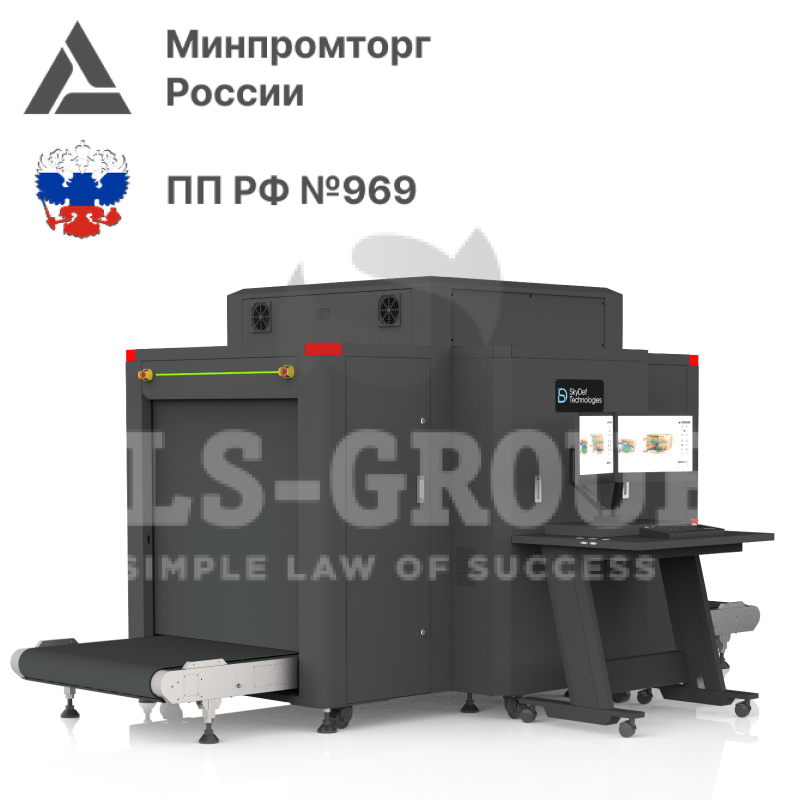
Introscopes use a dual-energy scanning system that allows you to distinguish materials by density and composition. For a deeper analysis and accurate identification of hidden objects, 3D technologies are used, and to improve the quality of visualization, different color palettes (4- and 7-color modes) are used. This simplifies the classification of materials and helps the operator quickly recognize potentially hazardous elements.
The systems are equipped with automated image processing and intelligent threat detection functions. This reduces the burden on staff and speeds up the inspection process, allowing you to quickly identify suspicious objects.
Among SDT introscopes there are options for solving different problems. For example, compact models like6040 SDTorSDT 5030 SWell suited for screening hand luggage and small luggage. For inspection of large objects, installations with a wide and high inspection tunnel and a low conveyor belt are optimal, for example,SDT 150180 DorSDT 150150 D.
Frequently asked questions and answers
What is an introscope in simple words?
This is a device that scans luggage and shows its contents without opening it.
Are a metal detector and an introscope the same thing?
The metal detector only reacts to metal. The introscope shows any materials, including liquids and organics. So these are completely different equipment.
Where are introscopes most often used?
In transport, in government agencies, in production, in crowded places.
Are introscopes compatible with video surveillance systems and access control systems?
Yes, modern inspection equipment can be an element of the overall security ecosystem of a facility. But for this, the equipment must be compatible with protocols and APIs and support integration.
Is it possible to fool an introscope?
Attempting to hide the item from security personnel, such as by wrapping it in foil or hiding it between lead plates, will not be successful. Even if the introscope cannot “see” the hidden object, it will show a suspicious empty space. In this case, an additional inspection is always carried out.
Is introscope dangerous for people?
No. When used correctly, the radiation is sealed inside a sealed housing and does not in any way affect the environment or people nearby. It is no coincidence that security officers work all day next tox-ray installationsin ordinary clothes.
Can food and medicines be x-rayed?
Can. Radiation does not change their properties. The same goes for cosmetics, medications, tests, etc. The impact of X-rays is weak and short-term.
Does the operator need special training to operate introscopes?
Necessarily. Personnel must be familiar with the operating principles of the device and the safety rules.
Is it possible to move a stationary introscope after installation?
It is possible, but only with the participation of specialists and with recalibration and safety checks.
How much does an introscope cost?
The price of introscopes is always calculated individually, since it depends on many factors, from the chosen model and its configuration to installation and maintenance services. To calculate the cost, fill outapplication form. If buying an introscope is not profitable for you, you canrent.
Where can I order service and repair of introscopes?
This work must be carried out by professional, highly qualified engineers. You can enter into an agreement with SLS-GROUP, and our specialists will carry out maintenance, advise you by phone and promptly fix any breakdowns. DetailsHere.